- English
- French
- German
- Portuguese
- Spanish
- Russian
- Japanese
- Korean
- Arabic
- Greek
- German
- Turkish
- Italian
- Danish
- Romanian
- Indonesian
- Czech
- Afrikaans
- Swedish
- Polish
- Basque
- Catalan
- Esperanto
- Hindi
- Lao
- Albanian
- Amharic
- Armenian
- Azerbaijani
- Belarusian
- Bengali
- Bosnian
- Bulgarian
- Cebuano
- Chichewa
- Corsican
- Croatian
- Dutch
- Estonian
- Filipino
- Finnish
- Frisian
- Galician
- Georgian
- Gujarati
- Haitian
- Hausa
- Hawaiian
- Hebrew
- Hmong
- Hungarian
- Icelandic
- Igbo
- Javanese
- Kannada
- Kazakh
- Khmer
- Kurdish
- Kyrgyz
- Latin
- Latvian
- Lithuanian
- Luxembou..
- Macedonian
- Malagasy
- Malay
- Malayalam
- Maltese
- Maori
- Marathi
- Mongolian
- Burmese
- Nepali
- Norwegian
- Pashto
- Persian
- Punjabi
- Serbian
- Sesotho
- Sinhala
- Slovak
- Slovenian
- Somali
- Samoan
- Scots Gaelic
- Shona
- Sindhi
- Sundanese
- Swahili
- Tajik
- Tamil
- Telugu
- Thai
- Ukrainian
- Urdu
- Uzbek
- Vietnamese
- Welsh
- Xhosa
- Yiddish
- Yoruba
- Zulu
How flow shelving systems keep things moving
Flow shelving systems are a revolutionary way to handle inventory. They improve storage throughput and operational consistency in measurable ways. These gravity-driven solutions move products instantly from loading zones to picking zones, eliminating the need for manual handling. They also follow first-in, first-out (FIFO) rules that protect product quality. For procurement professionals in high-volume industries such as electronics, pharmaceuticals, fast-moving consumer goods, and auto parts, flow shelving directly addresses major problems like excessive picking times, reliance on manual labor, and suboptimal space utilization. This guide provides decision-makers with the technical and strategic information needed to evaluate, select, and implement systems that deliver clear returns on investment within two years. To understand how flow shelving keeps products moving continuously, you must first understand how it works: roller tracks tilted at angles of 3 to 5 degrees allow boxes to move forward by gravity. Unlike static shelving, which requires workers to retrieve items from deep positions, these systems always present products at the front. This results in shorter reach distances, faster cycle times, and better ergonomics. These benefits directly lead to lower operational costs and higher throughput in logistics distribution centers, manufacturing facilities, and cold chain operations, where inefficiencies cause losses to accumulate.
 Understanding Flow Shelving Systems
The Gravity-Powered Advantage
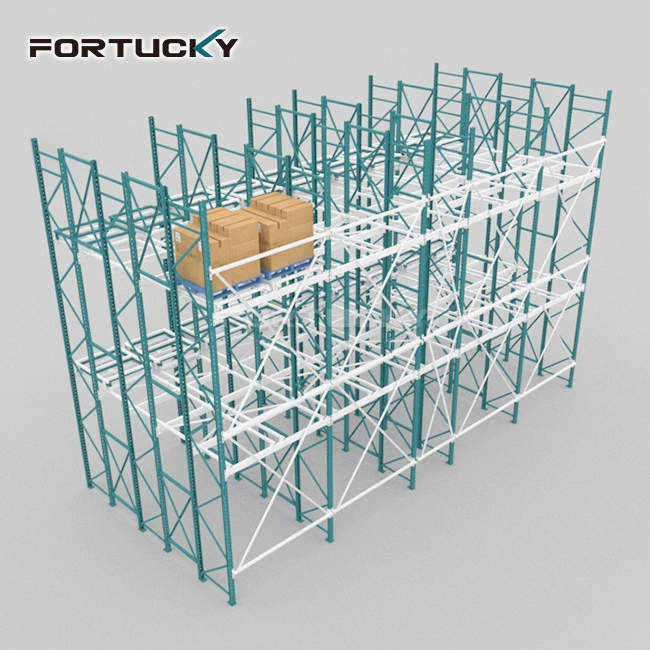
The self-replenishment feature of flow shelving sets it apart from traditional rigid racks. Steel frame structures hold up roller beds or skate wheel tracks that are set up at precise angles. These make smooth paths for cartons to move along. When picks take things from the front, the ones behind them move forward automatically, without using any extra power. This passive method gets rid of the need for computer controls while keeping products at picking faces always available. The ease of engineering makes the systems very reliable—they work all the time without the regular upkeep that is needed for electrically driven alternatives.
The gravity concept offers practical benefits in many areas. Compared to traditional shelves, picking speed increases by 30 to 40 percent because workers no longer need to walk into deep storage bays or stretch to reach back positions. High-density designs, where multiple rows of cartons are stacked within lengths of up to two meters, make better use of space by increasing storage volume per cubic unit. Most importantly, the required FIFO rotation prevents inventory from sitting idle, making these systems essential for temperature-sensitive medicines, perishable food items, and technology components with short shelf lives.
Applications Across Manufacturing and Logistics
Experience shows that flow shelving is highly useful in environments with specific operational requirements. High-SKU-velocity operations—such as distribution centers handling thousands of picks daily, auto assembly lines feeding sequential production stations, and pharmaceutical packing facilities managing batch‑tracked inventory—see immediate productivity gains. The systems work best when there are a moderate number of SKUs and high throughput is needed, as in beverage bottling or battery manufacturing facilities that handle uniform cell packages.
Installation flexibility accommodates a wide range of building layouts. Adjustable frame heights below 2.2 meters work well with existing infrastructure, and customizable dimensions are available for specific products. The open structure design improves inventory visibility and air circulation, making these systems especially useful in temperature‑controlled cold chain stores, where sightlines and climate control are very important. For manufacturing companies undergoing digital transformation, barcode reading at picking faces allows easy integration with warehouse management systems.
How Flow Shelving Keeps Things Moving—A Systematic Problem-Solving Approach?
Eliminating Warehouse Bottlenecks
Traditional shelves create predictable operational problems. Workers navigating crowded aisles, reaching awkwardly to retrieve items, and manually rotating stock to maintain freshness are all time‑consuming and error‑prone tasks. Static systems also carry hidden costs, such as lost items, picking errors due to poor visibility, and wasted space as aisles widen to meet reach requirements. These inefficiencies worsen in high‑throughput facilities, where minutes lost on each transaction add up over thousands of daily cycles.
Gravity-fed flow shelving systems fundamentally change these processes. They eliminate searching and reaching by constantly moving goods to the front. Pickers work at consistent ergonomic heights, reducing the risk of injury and physical strain. The built‑in FIFO order removes the need for workers to make decisions during picking—they simply take the next available unit, knowing it is the oldest item in stock. This automatic discipline is extremely valuable in industries where product dates determine compliance standards and waste reduction goals.
Measurable Improvements in Real Operations
Electronics manufacturers have reported picking speed improvements of about 35% within three months of implementation. Order accuracy rates at distribution centers serving FMCG brands exceed 99.5%, thanks to reduced picker confusion and better product visibility. One automotive parts supplier we worked with reduced their warehouse footprint by 22% while increasing storage capacity by 18% after switching to high‑density flow configurations, saving the cost of an expensive new facility.
Operational workflows change noticeably. Restocking and picking become decoupled, as workers load from the back while pickers work continuously from the front. This separation prevents congestion in picking areas and maintains steady flow during peak periods. Loading tasks are simplified because workers only need to push rows of cartons into place instead of moving individual units, cutting loading time per SKU by 40 to 50 percent. When multiplied across many SKUs, this effect transforms warehouse operations from manual product handling to smooth material flow.
Comparing Flow Shelving Solutions—Rational Choice for Modern Procurement
System Configuration Trade-Offs
Procurement decisions depend on understanding how different configurations meet varying operational needs. Fixed‑angle flow shelving systems offer the greatest stability and load capacity, holding cartons weighing more than 500 kilograms in commercial settings. Adjustable designs provide more practical flexibility by allowing the angle to be changed to suit different product weights or flow characteristics. This flexibility benefits facilities that handle a diverse product mix or need to accommodate changing inventory profiles during digital transformation projects.
Material choice affects both durability and total cost of ownership. Steel construction is extremely durable, even under repeated heavy loads, and powder‑coated finishes prevent corrosion in humidity‑controlled cold chain environments. The frame‑type design allows easy disassembly and reassembly, protecting capital investments as warehouse layouts change. Roller track quality directly affects the smoothness of box movement. Precision‑machined components maintain consistent flow across a range of temperatures, while lower‑quality options develop friction points that stop product movement and require early replacement.
Modular designs meet the flexibility requirements necessary for operational growth. Systems with standard components allow incremental capacity increases without disrupting existing setups. This flexibility enables staged automation investments that align with budget cycles and production growth, avoiding oversized initial deployments. This approach works especially well for mid‑sized companies seeking to expand production capacity or logistics providers entering new market segments, where operational needs change faster than traditional five‑year capital planning processes suggest.
Return on Investment Considerations
We looked at deployment costs in hundreds of different versions, including carton flow shelving, and found trends that were always the same. The initial capital investment usually pays for itself in 18 to 24 months through reduced errors, saved labor, and better use of the room. As pickers become more productive and refilling tasks become more centralized, labor costs usually go down by 25 to 30 percent. Space efficiency often puts off investments in warehouse growth, which saves more money than the system costs. An error rate increase lowers the costs of handling returns and providing good customer service while also protecting the brand's image in fields that value quality.
Operational cost benefits accumulate over the system’s lifetime. With no electricity required, there are no ongoing energy costs and none of the maintenance issues associated with motorized conveyors or automated storage systems. The durable steel design allows continuous operation for decades with little maintenance beyond regular roller checks. This reliability contrasts sharply with complex automated systems that require expensive spare parts and specialized technical support. When total lifecycle costs are compared against productivity gains and reduced operational risk, the economic case becomes even stronger.
 Selecting the Right Flow Shelving System for Your Business
Defining Technical Requirements
A thorough operational study is the first step in writing a good specification for flow shelving. Document the physical properties of each SKU, including dimensions, weight, and bottom surface material, as these affect roller specifications and incline angles. Analyze turnover rates to determine lane depths. Items that turn over more than once a day should have shallower lanes to reduce restocking frequency, while slower‑moving items can use deeper layouts to increase storage density. Review picking methods to ensure that system heights and access arrangements support smooth workflows, whether you are piece picking, batch picking, or building pallets.
Technical considerations require close attention to load capacities, structural stability, and interoperability with other equipment. Systems supporting heavy‑duty applications—such as automotive parts, construction equipment components, and packaged industrial chemicals—need robust frame construction and heavy‑duty roller tracks. Height restrictions below 2.2 meters work for most standard warehouses and allow safe hand loading. Adjustable features protect against future changes in product mix, allowing reconfiguration without replacing the entire system. Custom sizing ensures a perfect fit within existing building footprints, maximizing space utilization without compromising aisle access or safety clearances.
Supplier Evaluation Framework
Supplier choice affects system performance and long‑term support quality. Prioritize manufacturers with demonstrated experience implementing solutions in related industries. Partners who understand pharmaceutical temperature requirements, automotive just‑in‑time sequencing, or electronics static control protocols can provide solutions that address industry‑specific challenges. Assess customization capabilities by reviewing detailed specifications and technical support responsiveness. Request case studies from similar applications and examine documented productivity gains and implementation timelines.
Premium suppliers differentiate themselves from commodity providers through installation support and post‑launch services. Comprehensive installation includes site assessment, load calculations, and integration planning with existing warehouse management systems. Warranties should cover not only parts replacement but also performance guarantees—meaning commitments that systems will meet specified throughput rates and operational efficiency metrics. Ongoing support access is critical during capacity expansions or layout changes, when expert guidance prevents costly mistakes and accelerates implementation.
Budget Optimization Strategies
Here are some smart ways to get the most out of your purchases while keeping your capital costs low:
- Volume purchasing arrangements. When combining multiple rollout stages or organizing purchases across facility networks, volume buying agreements lower unit costs by a large amount. Manufacturers usually give discounts of 15–25% on orders that are bigger than the minimum quantity. Long-term supply deals that allow for phased rollouts that match capital budget cycles can save you even more money.
- Standardized configurations. When compared to fully customized designs, standard setups cut down on engineering costs and wait times. Suppliers keep popular frame sizes and roller specs in stock, which lets them deliver faster and charge less per unit. Customization reserves should focus on parameters that are mission-critical and accept normal choices for parameters that aren't as important.
- In the lifecycle value analysis of gravity flow storage systems, long-term operating savings that go beyond the original purchase price should be included in the lifecycle value study. Systems that last longer, need less upkeep, and have strong support from their suppliers usually make up for higher initial costs by having a lower total cost of ownership. When considering options, you should figure out the net present value, which includes the expected savings in labor, room, and costs related to downtime.
Conclusion
Flow shelving systems have proven their ability to improve performance in industrial and logistics operations that require high throughput, efficient space utilization, and accurate inventory management. The gravity‑driven design eliminates operational bottlenecks and reduces labor requirements and error rates, directly addressing procurement goals of increasing productivity and lowering costs. With payback periods of about two years and low maintenance needs, these systems represent sound investments that enhance long‑term competitiveness. Successful implementation requires a thorough needs analysis, careful supplier selection, and strategic integration with existing warehouse management infrastructure. Companies that adopt flow shelving consistently see improvements in picking speed, space usage, and inventory turnover.
FAQ
1. What types of products work best with gravity flow systems?
Flow shelving works well for small to medium‑sized cartons with consistent dimensions and moderate weight, especially for items requiring first‑in, first‑out rotation. Packaged foods, pharmaceuticals, electronic components, automotive parts, and cosmetics exhibit ideal characteristics. Automatic rotation is most beneficial for products with batch tracking requirements or short shelf lives, and businesses dealing with a limited number of SKUs in high volumes gain the most from density.
2. How do customization options address unique warehouse layouts?
Manufacturers offer extensive dimensional customization to accommodate different ceiling heights, aisle widths, and existing structural features. Frame heights can be adjusted below the standard 2.2‑meter limit, lengths can be tailored to available space, and roller track configurations can be adapted to specific product requirements. Custom color schemes support facility coding systems, and special packaging protects components during shipment to remote installation sites. These flexible options ensure proper fit regardless of physical constraints.
3. What productivity improvements can procurement managers expect?
Documented applications show picking speed gains of 30 to 40 percent, order accuracy improvements up to 99.5 percent, and space utilization gains exceeding 20 percent. Labor costs are typically reduced by 25 to 30 percent through shorter cycle times and consolidated restocking tasks. Combined efficiency gains and error reduction usually produce an 18‑ to 24‑month return on investment. These benefits continue to accumulate over the system's lifetime.
Partner with Fortucky for Advanced Flow Shelving Solutions
We've designed flow shelving systems that help over 1,000 makers and logistics providers around the world run their businesses. These include Fortune 500 companies in the electronics, FMCG, and car industries. Our yearly output capacity of 150,000 tons supports large-scale operations, and our deep customization options meet the specific needs of each operation. As a reliable flow shelving maker, we mix cutting-edge research and development with knowledge of how to set up systems in Asia, Europe, and the Americas. Our smart production sites that are connected to 5G make sure that the quality is always the same, that deliveries happen quickly, and that the prices are fair so that you get the most out of your automation investment.
Get in touch with our tech team to talk about your unique warehouse optimization problems. We provide full support from the original plan creation to installation and upkeep throughout the product's lifetime, making sure that it works seamlessly with your current infrastructure. Get in touch with sales@fortuckyrobot.com to set up a meeting, ask for technical details, or talk about group prices for deployments in multiple locations.
References
1. Richards, G. (2022). Warehouse Management: A Complete Guide to Improving Efficiency and Minimizing Costs in the Modern Warehouse. Kogan Page Publishers.
2. Bartholdi, J.J. & Hackman, S.T. (2021). Warehouse & Distribution Science: Release 0.98. Supply Chain and Logistics Institute.
3. Frazelle, E. (2020). World-Class Warehousing and Material Handling. McGraw-Hill Education.
4. Tompkins, J.A. & Smith, J.D. (2021). The Warehouse Management Handbook. Tompkins Press.
5. Hassan, M.M.D. (2023). "Gravity Flow Rack Systems: Performance Analysis in High-Density Storage Applications." International Journal of Production Research, 61(8), 2445-2461.
6. Berg, J.P. van den & Zijm, W.H.M. (2022). "Dynamic Storage Systems for Order Picking Optimization." European Journal of Operational Research, 298(3), 873-889.
Learn about our latest products and discounts through SMS or email