- English
- French
- German
- Portuguese
- Spanish
- Russian
- Japanese
- Korean
- Arabic
- Greek
- German
- Turkish
- Italian
- Danish
- Romanian
- Indonesian
- Czech
- Afrikaans
- Swedish
- Polish
- Basque
- Catalan
- Esperanto
- Hindi
- Lao
- Albanian
- Amharic
- Armenian
- Azerbaijani
- Belarusian
- Bengali
- Bosnian
- Bulgarian
- Cebuano
- Chichewa
- Corsican
- Croatian
- Dutch
- Estonian
- Filipino
- Finnish
- Frisian
- Galician
- Georgian
- Gujarati
- Haitian
- Hausa
- Hawaiian
- Hebrew
- Hmong
- Hungarian
- Icelandic
- Igbo
- Javanese
- Kannada
- Kazakh
- Khmer
- Kurdish
- Kyrgyz
- Latin
- Latvian
- Lithuanian
- Luxembou..
- Macedonian
- Malagasy
- Malay
- Malayalam
- Maltese
- Maori
- Marathi
- Mongolian
- Burmese
- Nepali
- Norwegian
- Pashto
- Persian
- Punjabi
- Serbian
- Sesotho
- Sinhala
- Slovak
- Slovenian
- Somali
- Samoan
- Scots Gaelic
- Shona
- Sindhi
- Sundanese
- Swahili
- Tajik
- Tamil
- Telugu
- Thai
- Ukrainian
- Urdu
- Uzbek
- Vietnamese
- Welsh
- Xhosa
- Yiddish
- Yoruba
- Zulu
How to improve the space utilization of Mezzanine Racking?
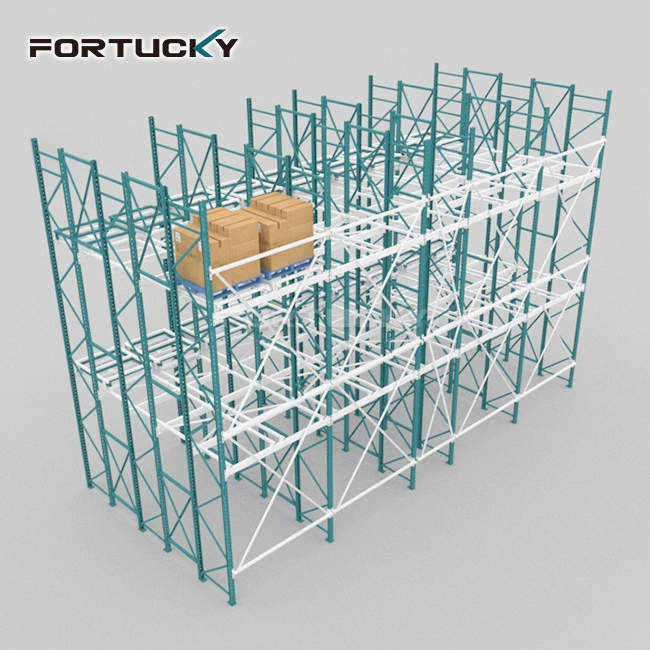
Mezzanine storage rack systems
provide a smart solution for warehouse managers who need to increase storage space without relocating or constructing new facilities. These systems can double or triple your usable floor space by leveraging vertical space and creating multi‑level storage platforms. To get the most out of them, you need careful planning, even load distribution, and a design tailored to your operations. Having worked with logistics teams for years, I have seen how well‑planned mezzanine installations can transform cluttered, inefficient warehouses into streamlined operations that cut costs and improve product accessibility.
 Understanding the Challenges of Space Utilization in Mezzanine Racking
Many buildings waste vertical space because conventional storage methods fail to utilize roof height. This represents a significant missed opportunity, especially in facilities with ceilings over 20 feet high. When companies install basic pallet racks without considering multi‑level mezzanine combinations, they lose valuable space that could otherwise store more goods.
Design Limitations That Restrict Spatial Efficiency
Poor initial planning creates bottlenecks that persist over the system's life. Warehouses often adopt standard layouts without examining their unique product mix, picking patterns, or material handling equipment. This one‑size‑fits‑all approach results in aisles that are too narrow, inaccessible storage areas, and unnecessary column clearance. When upper platforms are added as afterthoughts rather than being integrated into the original design, they rarely optimize space usage.
Load Capacity Misconceptions and Their Consequences
Misunderstanding weight distribution leads either to over‑engineered systems that waste money or dangerously inadequate structures. Many procurement teams look only at total load capacity without considering load distribution per square meter. A mezzanine rated for 500 kg/m² performs very differently depending on whether the weight is concentrated or evenly spread. This difference affects both safety margins and usability.
Integration Challenges with Existing Warehouse Systems
Retrofit installations face unique difficulties when connecting new mezzanine platforms to existing operations. Legacy warehouse management software, automated guided vehicles, and conveyor systems may not seamlessly accommodate the added complexity of multi‑level storage. Without proper integration planning, companies create isolated storage areas that require manual transfers, negating much of the efficiency gain. The problem intensifies when older shelving systems have dimensions or clearances incompatible with new mezzanine designs.
Proven Strategies to Maximize Mezzanine Racking Space
To make the most of your warehouse, you should start by using flexible building techniques that let you change them as your business needs change. Modular multi-level mezzanine racks are not fixed structures; they can be relocated, expanded, or modified without complete rebuilding. This flexibility is especially valuable for businesses facing seasonal demand fluctuations or new product lines.
Implementing Modular and Scalable Design Frameworks
Modular designs enable phased implementation that aligns with capital expenditure plans while minimizing operational disruptions. You can begin by constructing a section covering high‑turnover product areas, then gradually expand as budgets allow or demand grows. Standardizing steel structure components across sites simplifies procurement and reduces future expansion lead times. Custom‑built platforms, by contrast, lock you into fixed configurations regardless of changing needs.
Customizing Shelving Configurations for Maximum Density
When shelving specifications are based on actual product dimensions rather than general guidelines, storage density increases significantly. A thorough SKU analysis helps determine optimal shelf levels, bay widths, and vertical clearances that eliminate wasted space. Adjustable shelf systems accommodate varying product heights without reserving room for worst‑case scenarios. Specialized flooring options—such as steel panels that distribute weight better than checker plates or gratings—provide flat surfaces suitable for diverse storage methods, from bins to boxes.
Calculating and Optimizing Load Capacity Distribution
Understanding your structure's true load capacity prevents both overbuilding and unsafe conditions. Floor load ratings typically range from 300 to 1000 kg/m², depending on construction and intended use. Heavy automotive parts or industrial tools require different specifications than light‑duty tasks such as document storage or small‑part picking. By mapping the actual weight distribution of your inventory, you can establish appropriate capacity zones instead of over‑engineering the entire platform for the highest loads everywhere.
Vertical Stacking and Multi-Tiered Configuration Techniques
Most facilities can accommodate two to three levels, increasing floor space while maintaining reasonable accessibility. The key is balancing storage quantity against retrieval speed by positioning products appropriately. Fast‑moving items should reside on easily accessible levels, while slower‑moving goods can be stored higher or farther away. The choice of material handling equipment directly affects possible configurations. For example, facilities using cranes face different constraints than those using lifts, conveyors, or manual carts. Properly designed systems provide adequate clearance for personnel movement between levels and for equipment operation.
Comparative Insights for Selecting the Right Mezzanine Storage Rack
Before choosing among available mezzanine storage rack systems, you must understand how each meets your unique operational needs. The decision involves more than just price—it also requires evaluating long‑term flexibility, maintenance requirements, and compatibility with your material handling processes.
Mezzanine Racks Versus Traditional Pallet Racking Systems
Traditional pallet racking maximizes floor‑level storage but leaves overhead space unused except in taller rack designs. Mezzanine platforms differ by adding an entirely new level, creating elevated work and storage areas. This approach works especially well for operations that combine case picking or repacking with pallet storage. Such hybrid layouts are particularly useful in e‑commerce fulfillment, automotive parts distribution, and electronics manufacturing, where multiple functions must fit into compact spaces.
Steel Versus Alternative Material Considerations
Steel is the most common material for industrial mezzanines due to its high strength‑to‑weight ratio, fire resistance, and durability. Steel structures can support heavy loads without excessive deflection or vibration that might compromise inventory stability. Steel can be joined with welded or bolted connections, accommodating both permanent installations and reconfigurable systems. Although aluminum is lighter, steel remains superior for facilities storing automotive parts, industrial equipment, or dense goods because of its greater durability and load capacity.
Fixed Installations Versus Modular System Advantages
Fixed platforms that are custom-built give the best optimization for certain plans but limit future freedom. Once they are set up, they are hard to change to accommodate new goods, different workflows, or rearranged facilities. Modular industrial mezzanine platforms give up some site-specific efficiency for a lot of flexibility. Their standard parts make it possible for businesses to grow, change their layout, or even move completely as their needs change. This freedom is especially useful for manufacturing operations that change products often and for growing businesses that know how much space they will need in the future. Most of the time, the difference in cost isn't very important, but the flexibility is very valuable in the long run.
 Installation, Maintenance, and Customization Tips to Enhance Utilization
Mezzanine storage rack installations that work well are different from operations that have problems and never reach their full potential. The process includes more than just actual building; it also includes ongoing improvements to how things work.
Professional Installation Best Practices
Hiring experienced construction teams ensures structural integrity and regulatory compliance from the start. Professional installers understand connections, load distribution, and safety system integration, preventing costly mistakes. They work with your operations team to minimize disruptions during construction—often working outside normal hours or staging installations to keep part of the warehouse usable. Proper anchoring to the floor, ensuring structural levelness to prevent load shifting, and creating strong interconnections between structural members are all hallmarks of a quality installation.
Preventive Maintenance Protocols for Long-Term Performance
Scheduled regular inspections identify potential problems before they become safety risks or operational failures. Monthly visual checks should look for signs of loose connections, damaged floor panels, overloading, or corrosion in structural members. Annual professional inspections by qualified engineers verify that load capacities remain appropriate for current usage and that no unauthorized modifications have compromised structural stability. Damaged components must be repaired or replaced immediately, not with temporary fixes that may fail under load.
Customization Options That Address Unique Requirements
Modern mezzanine systems offer extensive customization beyond basic platform installation. Mezzanine floors can incorporate integrated workstations, packing areas, or quality control zones alongside storage. Adjustable shelving components allow layout changes without structural alterations, enabling quick adaptation to inventory mix changes. Custom color coding aids navigation and organization, while different flooring types address specific needs—such as chemical resistance in pharmaceutical applications or static control in electronics environments. Stairs, lifts, and conveyors can be designed to work seamlessly with your material flow, ensuring smooth movement between storage levels.
Case Studies and Real-World Applications Demonstrating Space Optimization
Real‑world mezzanine storage rack examples show how theoretical benefits translate into tangible operational gains across various industries.
E-Commerce Fulfillment Center Transformation
A mid‑sized electronics wholesaler with an 80,000‑square‑foot facility was operating at full capacity. Instead of relocating, they installed a two‑level mezzanine system covering 40% of their existing floor space. The upper level handles small‑part picking for online orders, while the ground level manages bulk pallet storage and receiving. This configuration increased usable storage space by 65% and reduced pick times by 30% through improved product accessibility. Installation cost was approximately one‑third of building expansion, and completion took six weeks instead of the year required for physical expansion.
Automotive Parts Supplier Optimization
A tier‑two automotive supplier serving several assembly plants needed to accommodate a 40% inventory increase without expanding its physical footprint. They implemented a flexible mezzanine with three levels and bay widths designed to match their part dimensions. Heavy items such as brake systems are accessible on the ground level via forklifts, while lighter electrical components and fasteners reside on upper levels accessible by lifts and carts. Load ratings vary by zone, ranging from 300 kg/m² for light parts to 800 kg/m² for heavy components. This tailored approach reduced construction costs while increasing capacity by 150%.
Pharmaceutical Distribution Application
A pharmaceutical logistics company needed temperature‑stable storage that complied with regulations while enabling strict inventory tracking and easy access. Their custom mezzanine installation featured color‑coded zones for different product categories, integrated barcode scanning stations, and non‑slip flooring meeting pharmacy distribution standards. The open rack design improves inventory visibility and facilitates stock rotation—critical for expiration‑dated products. They achieved 90% space utilization, up from 60% with their previous single‑level layout.
Conclusion
To get the most out of the room on mezzanine storage rack systems, you need to think about the structure, how to handle loads, how to integrate processes, and how to expand in the future. Warehouses can significantly increase storage capacity without costly facility expansion by understanding common challenges and applying proven optimization techniques. The key is tailoring solutions to meet unique operational needs rather than accepting standard configurations. Modular systems adapt as business requirements evolve, while proper installation and maintenance ensure long‑term performance and safety compliance.
Frequently Asked Questions About Mezzanine Storage Systems
1. What maximum load capacity should I specify for my mezzanine installation?
Load capacity is completely dependent on the items you have in stock and how you store them in your mezzanine storage rack. Heavy-duty uses, like storing documents or small parts, may need 800-1000 kg/m². Light-duty uses, like storing documents or small parts, may only need 300–500 kg/m². To figure out what you need, look at your heaviest product groups, the density of your store space, and the weight of your material handling tools. This will help you make sure you have enough space and safety margins.
2. How do mezzanine racks improve warehouse safety and compliance?
Systems that are properly built have safety rails, flooring that doesn't slip, enough lighting, and load limits that are clearly marked and meet government standards. Structured organization makes it easier to see what's in stock and lowers the risk of crashes that can happen when floor-level storage is cluttered. Pedestrian traffic and truck operations are kept separate by multi-level plans with different activity zones. This makes collisions much less likely.
3. Can mezzanine systems adapt to irregular warehouse layouts?
Because they can be customized, mezzanine plans can work around columns, current equipment, and buildings with odd shapes. Different shapes can be made with modular components, and professional design services can help make plans that look hard at first easier to use. Because they are so adaptable, mezzanine systems can be used in both new factories that were built just for that reason and older buildings that have limitations in their design.
Transform Your Warehouse with Advanced Mezzanine Storage Rack Solutions from Fortucky
Warehouse optimization needs more than just off-the-shelf solutions. It needs the ability to be deeply customized, technical know-how, and proven application experience. Fortucky has been improving intelligent storage for more than ten years and has customers all over the world, such as Fortune 500 companies and logistics leaders in the car, electronics, fast-moving consumer goods, and pharmaceutical industries. Our mezzanine storage rack systems come with two to three levels, sizes that can be changed, a load capacity of 300 to 1000 kg per level, and steel frames that can be bent to fit your specific needs.
Over 1,000 users around the world, including CATL, Huawei, Mercedes-Benz, and BMW, have been happy with our integrated solutions, which blend excellent hardware with the integration of digital systems. Our competing benefits include short deployment times, localized tech help in Asia, Europe, and the Americas, and our 5G-enabled intelligent production facilities, which back up our exceptional cost-effectiveness. Whether you need to completely change the look of your building or just add more space, our team can help you from the planning phase all the way through installation and ongoing maintenance. Get in touch with a reliable mezzanine storage rack provider right away at sales@fortuckyrobot.com to learn more about how our solutions can help you increase the capacity of your warehouse while also improving output and efficiency.
References
1. Hassan, M. (2022). Warehouse Design and Operations: Structural Solutions for Space Optimization. Industrial Engineering Press.
2. Chen, K. & Rodriguez, P. (2021). "Multi-Level Storage Systems in Modern Distribution Centers: Performance Analysis and Design Guidelines." Journal of Supply Chain Management Technology, 18(3), 245-267.
3. Thompson, R. (2023). Strategic Warehouse Planning: Maximizing Vertical Space Utilization. Logistics Management Publications.
4. European Federation of Materials Handling (2021). "Safety Standards for Industrial Mezzanine Structures: Best Practice Guidelines." Technical Report EFMH-2021-07.
5. Patterson, J., Lee, S., & Kumar, V. (2022). "Cost-Benefit Analysis of Mezzanine Storage Systems Versus Facility Expansion." International Journal of Production Research, 60(12), 3891-3910.
6. Williams, A. (2023). Modular Warehouse Infrastructure: Design Principles for Adaptive Storage Systems. Supply Chain Architecture Institute.
Learn about our latest products and discounts through SMS or email