- English
- French
- German
- Portuguese
- Spanish
- Russian
- Japanese
- Korean
- Arabic
- Greek
- German
- Turkish
- Italian
- Danish
- Romanian
- Indonesian
- Czech
- Afrikaans
- Swedish
- Polish
- Basque
- Catalan
- Esperanto
- Hindi
- Lao
- Albanian
- Amharic
- Armenian
- Azerbaijani
- Belarusian
- Bengali
- Bosnian
- Bulgarian
- Cebuano
- Chichewa
- Corsican
- Croatian
- Dutch
- Estonian
- Filipino
- Finnish
- Frisian
- Galician
- Georgian
- Gujarati
- Haitian
- Hausa
- Hawaiian
- Hebrew
- Hmong
- Hungarian
- Icelandic
- Igbo
- Javanese
- Kannada
- Kazakh
- Khmer
- Kurdish
- Kyrgyz
- Latin
- Latvian
- Lithuanian
- Luxembou..
- Macedonian
- Malagasy
- Malay
- Malayalam
- Maltese
- Maori
- Marathi
- Mongolian
- Burmese
- Nepali
- Norwegian
- Pashto
- Persian
- Punjabi
- Serbian
- Sesotho
- Sinhala
- Slovak
- Slovenian
- Somali
- Samoan
- Scots Gaelic
- Shona
- Sindhi
- Sundanese
- Swahili
- Tajik
- Tamil
- Telugu
- Thai
- Ukrainian
- Urdu
- Uzbek
- Vietnamese
- Welsh
- Xhosa
- Yiddish
- Yoruba
- Zulu
How to Safely Use Drive In Racks
Understanding the specific operating characteristics of drive-in storage racks and having the right training procedures are the first steps in using them safely. Load sharing, forklift operation, and structural checking must all be done with great care in these high-density pallet storage systems. Because of the Last-In-First-Out (LIFO) arrangement, forklifts have to drive carefully through narrow lanes where visibility is limited. To prevent accidents, it is important to calculate loads correctly, inspect racks regularly, and post clear safety signs. Operators need specialized training on how to work in confined rack spaces, and facilities should establish regular maintenance plans that check for wear on guide rails, uprights, and support beams to keep workers safe and assets in good condition.
 Understanding Drive-In Storage Racks and Their Safety Considerations
What Are Drive-In Storage Racks?
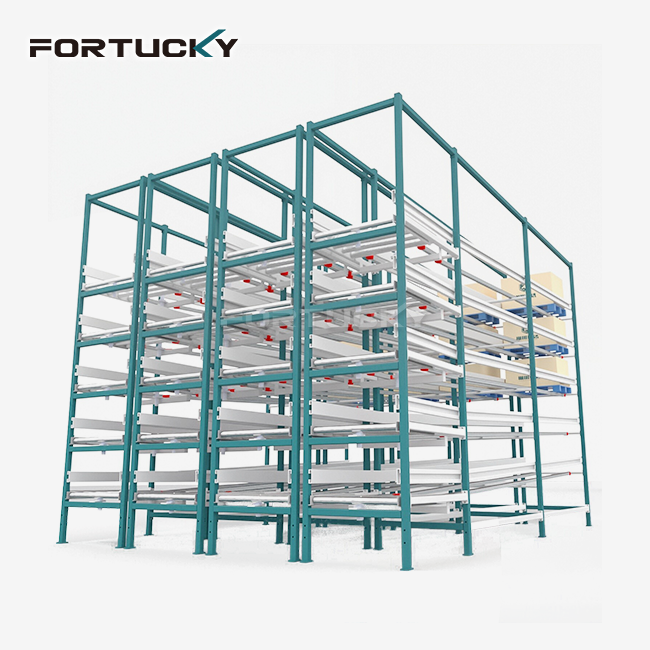
Drive-in storage racks are a unique storage solution because forklifts can enter the rack frame directly to place or remove pallets. Unlike selective racks, which require individual aisles for each row, these systems do not need multiple entry routes. Instead, they have continuous storage lanes that can extend as deep as six pallets or more. The structure consists of vertical uprights attached to horizontal guide rails. These rails create channels that support heavy pallets. This configuration improves the space efficiency of standard pallet rack systems by about 30%, allowing warehouses to achieve area utilization rates close to 80%.
The steel frame is typically between 5 and 15 meters tall, but dimensions can be adjusted to fit different building ceiling heights and load requirements. This design works especially well in environments such as cold storage facilities, food distribution hubs, and factories handling large volumes of automotive parts, where product variety is low but volume demands are high.
Core Components and Safety-Critical Features
Understanding the structural components helps identify weak points before they cause operational problems. Because the vertical uprights bear most of the weight, they require thicker steel than standard beam racks. These uprights connect to horizontal load beams, which create space for each pallet within its lane. Guide rails installed at a height of approximately 500 mm serve two purposes: they guide the forklift through tight spaces and protect the uprights from impact damage.
Back bracing at the ends of lanes stabilizes the structure laterally, preventing sway or collapse during loading. Top and bottom tie rods connect multiple rack rows into a single framework that can handle the horizontal forces generated when forklifts enter and exit with loaded pallets. Each component is essential to the structural integrity, and a weakness in any part can lead to system failure.
Common Operational Hazards
Because drive-in lanes are so narrow, they pose certain risks not present in open-aisle layouts. Forklifts colliding with uprights is the most common cause of structural damage, usually due to insufficient operator training for tight spaces or poor visibility when turning. Load instability occurs when pallets shift during placement or removal, especially when weight is not evenly distributed across the pallet base.
Another critical issue is overloading. When workers place more weight on a level or lane than it was designed to hold, the stress can bend guide rails, warp uprights, or even cause a complete collapse. The environment worsens these risks. For example, steel becomes more brittle in cold storage conditions, and dampness in food preparation facilities accelerates rust, which weakens the structure over time.
Key Safety Tips for Using Drive-In Storage Racks Effectively
Proper Load Distribution and Weight Management
Determining correct weight limits requires considering both the load on each pallet and the total effect on all positions in a lane. Each level has a specific weight capacity, and placing heavier pallets on lower levels improves overall stability by lowering the center of gravity. The pallet load should be evenly distributed across its base, with no heavy spots at the ends or edges that could cause tipping.
In real life, here's what good weight control looks like for drive-in storage racks:
- Verify pallet loads before placement using approved scales to check box loads, and keep records that keep track of weight by position and lane.
- Respect rated capacities shown on load signs at lane openings and never go over the manufacturer's recommendations, even for a short time.
- Account for dynamic loading forces that happen when the forklift moves; these can temporarily make the actual weight 15-20% higher than with steady loads.
- Implement inventory management systems that keep track of total lane weights in real time and let bosses know when they are getting close to capacity limits
Forklift Operation Best Practices
Working in drive-in lanes requires more skill than just a forklift license. There is little room for error when navigating, and limited visibility when backing out demands strong situational awareness. When entering lanes, operators should drive at controlled speeds no faster than walking pace, using the guide rails as visual cues to stay centered.
Certified training programs must include specific modules that teach workers how to use mirrors correctly and interpret spatial cues in confined spaces. Practical exercises should simulate real warehouse conditions, such as practicing with fully loaded masts that reduce visibility and maneuverability. Operators receive refresher training every six months to maintain their skills and learn about any changes to the facility layout.
Inspection Protocols and Maintenance Schedules
Regular inspections identify problems as they begin to develop before they become safety hazards. Daily visual checks at the start of each shift should be performed, with workers reporting any damage to uprights, bent rails, or loose connections. Maintenance staff conduct detailed monthly inspections of structural components using standardized forms that record frame alignment, connection integrity, and surface conditions.
Third-party inspections performed annually provide independent verification of system safety, which is especially valuable for insurance compliance and risk management. These comprehensive evaluations may include load testing, mechanical analysis of critical components, and assessment of floor conditions under rack footplates. Records from all inspection levels create an audit trail demonstrating sound safety management.
Emergency Procedures and Safety Signage
Clear emergency procedures ensure coordinated responses when something goes wrong. Signs must be posted to indicate evacuation routes away from rack areas during earthquakes or structural failures, ensuring that exit paths remain unobstructed. Load capacity signs at each lane entrance display maximum weights in large lettering, and floor markings indicate the safest paths for forklift travel.
Height clearance signs prevent operators from entering lanes with mast extensions taller than the rack can accommodate. Warning lights or signals at lane entrances can alert drivers when a lane is full, preventing multiple trucks from entering simultaneously. These visual safety features reinforce training and serve as regular operational reminders that prevent complacency.
 Installation and Design Guidelines for Safe Drive-In Rack Systems
Site Assessment and Environmental Factors
A professional installation begins with a careful site assessment that considers factors affecting rack performance and safety. Floor flatness tolerances are critical because uneven surfaces stress uprights instead of supporting feet evenly. The racks place significant weight on the slab, and the slab thickness and reinforcement must be able to handle that load, especially in seismic zones where lateral forces increase stress.
Temperature ranges affect material selection. Cold storage systems require steel grades that remain ductile at sub-zero temperatures. High humidity in food or pharmaceutical processing facilities requires protective coatings that prevent corrosion without compromising structural strength. Maximum rack heights are limited by ceiling height, and building column spacing affects aisle orientation and rack row lengths.
Professional Installation Standards
Expert installation teams bring essential knowledge that prevents common setup mistakes. Anchor bolts must be installed correctly to keep uprights straight under load, with torque matched to concrete strength and anchor type. Beam connections must fully engage upright slots, and locking devices should produce an audible click to confirm secure attachment.
When put together correctly, the integrated frame structure makes a stable unit that can hold big loads across its full area, including high-density drive-in storage systems. At each step of installation, teams use laser alignment tools to make sure that the levelness is within the manufacturer's tolerances for both vertical and horizontal errors. This level of accuracy during installation sets the stage for years of safe use.
Safety-Enhancing Design Features
Protective features built into the rack design significantly reduce accident risks. Upright guards, which are steel barriers placed at lane entrances, absorb impacts from forklift collisions that would otherwise damage structural beams. Carefully positioned bumper posts along traffic routes physically separate moving equipment from fixed infrastructure.
Guide rail designs include smooth edges that prevent pallets from snagging during placement and continuous rail surfaces without gaps where pallet runners could catch. More advanced systems incorporate sensor arrays that alert operators to misalignment before contact occurs. However, these automation features should not replace proper training.
Comparing Drive-In Storage Racks With Other Storage Solutions
Drive-In vs. Drive-Thru Configurations
Drive-thru racks differ from standard drive-in storage racks because they have entry and exit points on opposite ends, allowing First-In-First-Out (FIFO) product rotation. This configuration works well for businesses handling perishable goods or time-sensitive materials that require stock rotation. The dual-access design reduces the time forklifts spend backing out of lanes, increasing productivity while lowering accident risk.
However, drive-thru systems require access lanes on both sides, consuming more floor space than single-entry drive-in racks. Safety considerations change slightly when operators enter empty and leave loaded (or vice versa), affecting visibility challenges and weight distribution during travel. The choice between configurations depends on inventory type and available space at each facility.
Selective Rack Versatility and Safety Profile
Forklifts don't have to go through narrow lanes because selective pallet racks give you direct access to every pallet spot. This ease of access lowers the risk of collisions and makes inventory management easier for businesses that deal with a lot of different SKUs that need to be picked often. The open-aisle plan lets a lot of light in and lets multiple trucks use the space at the same time without any traffic problems.
Compared to drive-in systems, selective racks do not use space as efficiently because they require 40–50% more floor space for aisles. The density benefits of drive-in setups outweigh the accessibility advantages of selective racks when warehouse footprints cannot accommodate capacity expansion and inventory consists primarily of homogeneous, slow-moving goods. Safety objectives shift from steering precision to load security at each beam level.
Push Back Rack Load Stability
In push-back systems, inclined tracks support nested carts that move forward automatically as pallets are removed. This semi-automated method reduces load shift risks because pallets rest securely in cart cradles instead of relying solely on beams for support. The LIFO storage arrangement resembles drive-in racks, but forklifts never enter the structure, eliminating collision risks entirely.
Mechanical complexity is part of the trade-off. Regular upkeep is needed for the cart wheels and rails, and the system can only fit a few more pallet spots per lane depth than industrial drive-in pallet racks. Push-back racks are a good choice for moderately dense storage where safety worries make the extra cost worth it compared to basic drive-in systems.
Conclusion
Safe drive-in storage rack operation results from proper system design, professional installation, user training, and careful maintenance. These high-density solutions make excellent use of space and reduce costs, which is especially beneficial for businesses handling large volumes of similar products. When weight limits are respected and inspection procedures are consistently followed, integrated steel frames can support heavy-duty applications. Success requires recognizing that drive-in systems demand more operational discipline than open-aisle alternatives. However, the density benefits make this investment worthwhile in appropriate situations. Working with experienced manufacturers ensures access to technical expertise, quality materials, and service support that maintain safe operations throughout the system's life.
FAQ
1. How often should drive in storage racks be inspected?
Workers perform visual checks of the structure daily before shifts, looking for damage such as bent uprights or misaligned beams. Maintenance staff conduct thorough monthly inspections using checklists covering structural components, connections, and safety features. Annual inspections by qualified third-party experts verify system integrity and safety compliance. Facilities in demanding environments, such as cold storage or heavy industrial settings, may require more frequent inspections depending on operational stress levels and past damage history.
2. What weight capacity should we specify for automotive parts storage?
Automotive parts vary widely in density, from lightweight plastic trim to heavy cast iron engine blocks. Determine your requirements by identifying your heaviest typical pallet load and adding 20% as a safety margin. Standard drive-in storage rack systems can typically handle between 1,000 and 3,000 kg per pallet position, while heavy-duty models support higher weights. Consult with experts to ensure that the total weight across all lanes does not exceed structural limits, considering that all levels may be loaded simultaneously.
3. Can existing selective racks be converted to a drive-in configuration?
Conversion rarely makes financial or safety sense because structural requirements differ significantly. Most selective rack uprights lack the additional bracing needed for drive-in applications, where impacts and lateral forces are greater. Installing drive-in systems specifically designed for the intended loads provides better long-term value and safety performance than attempting to adapt existing equipment.
Partner With Fortucky for Premium Drive-In Storage Rack Solutions
Working with an expert drive-in storage rack provider is very important if your business needs warehouse storage that is dense, long-lasting, and safe. Fortucky has worked with more than 1,000 customers around the world for more than ten years in the fast-moving consumer goods, automobile, cold chain, and heavy manufacturing industries. Our engineering team creates unique rack systems that are perfect for your facility's size, load needs, and operational process. With an annual production capacity of 150,000 tons, we can deliver even the biggest projects quickly.
We know how hard it is for shipping managers to make the most of small building spaces while still following strict safety rules. That's why our solutions include full operator training programs, professional installation services, and regional help after the sale in the Americas, Europe, and Asia. Get in touch with us at sales@fortuckyrobot.com to talk about how our high-density storage systems can make your building more efficient and keep your employees safe.
References
1. Material Handling Industry of America. "ANSI MH16.1: Specification for the Design, Testing and Utilization of Industrial Steel Storage Racks." American National Standards Institute, 2021.
2. Occupational Safety and Health Administration. "Powered Industrial Trucks: Operator Training Requirements and Safe Operating Procedures." U.S. Department of Labor, 2019.
3. European Federation of Materials Handling. "FEM 10.2.02: Design of Static Steel Pallet Racking Systems." Federation Europeenne de la Manutention, 2020.
4. Warehouse Safety Council. "Best Practices for High-Density Storage System Inspection and Maintenance Protocols." Industrial Safety Journal, 2022.
5. International Association of Logistics and Warehouse Professionals. "Space Utilization Analysis: Comparing Storage System Efficiency Metrics." Supply Chain Management Review, 2023.
6. National Institute for Occupational Safety and Health. "Forklift Operation in Confined Warehouse Environments: Risk Assessment and Mitigation Strategies." Centers for Disease Control and Prevention, 2021.

Learn about our latest products and discounts through SMS or email