- English
- French
- German
- Portuguese
- Spanish
- Russian
- Japanese
- Korean
- Arabic
- Greek
- German
- Turkish
- Italian
- Danish
- Romanian
- Indonesian
- Czech
- Afrikaans
- Swedish
- Polish
- Basque
- Catalan
- Esperanto
- Hindi
- Lao
- Albanian
- Amharic
- Armenian
- Azerbaijani
- Belarusian
- Bengali
- Bosnian
- Bulgarian
- Cebuano
- Chichewa
- Corsican
- Croatian
- Dutch
- Estonian
- Filipino
- Finnish
- Frisian
- Galician
- Georgian
- Gujarati
- Haitian
- Hausa
- Hawaiian
- Hebrew
- Hmong
- Hungarian
- Icelandic
- Igbo
- Javanese
- Kannada
- Kazakh
- Khmer
- Kurdish
- Kyrgyz
- Latin
- Latvian
- Lithuanian
- Luxembou..
- Macedonian
- Malagasy
- Malay
- Malayalam
- Maltese
- Maori
- Marathi
- Mongolian
- Burmese
- Nepali
- Norwegian
- Pashto
- Persian
- Punjabi
- Serbian
- Sesotho
- Sinhala
- Slovak
- Slovenian
- Somali
- Samoan
- Scots Gaelic
- Shona
- Sindhi
- Sundanese
- Swahili
- Tajik
- Tamil
- Telugu
- Thai
- Ukrainian
- Urdu
- Uzbek
- Vietnamese
- Welsh
- Xhosa
- Yiddish
- Yoruba
- Zulu
Medium-duty manual stacker maintenance guide
It is important to keep your medium-duty manual stacker in good shape by checking it often, planning care, and paying special attention to key parts. In order for technology to work at its best, last longer, and not break down during costly downtime, it needs to be properly maintained. According to warehouse managers and logistics experts, this detailed guide has all the maintenance steps, fixing methods, and best practices they need to make sure that their manual lifting devices work as quickly as possible while still meeting strict safety standards during daily operations.
 Understanding Your Medium Duty Manual Stacker Components
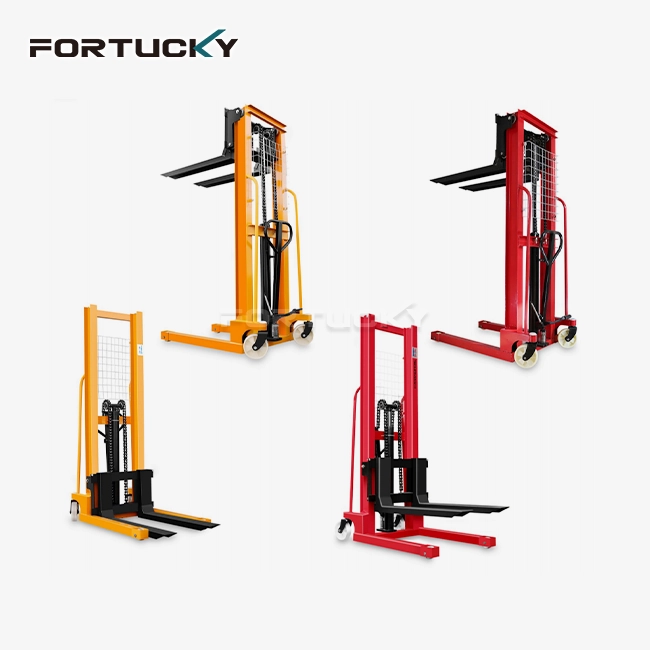
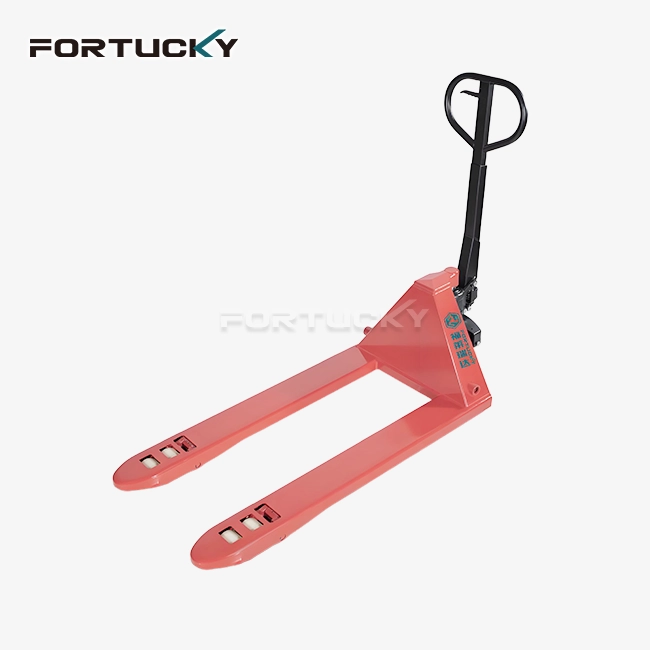
Even though they look easy, manual stackers are very complex pieces of warehouse equipment. These industrial stackers have complex hydraulic systems, are made of steel that was carefully designed steel, and have lifting mechanisms that are carefully calibrated. The hydraulic pump is the hand stacker's heart. It turns the energy you put into it into a strong pulling force that can move heavy loads.
The comfortable handle assembly, stacker wheels, load-bearing forks, and hydraulic cylinder are some of the most important parts that need regular maintenance. During material handling tasks, each part is very important for keeping the load stable. The steel construction makes it last, and special bearings and seals make sure it works smoothly even in the rough conditions of a warehouse logistics center.
Being able to recognize these parts helps operators spot possible problems before they get worse. Because most manual forklifts are small, they put a lot of mechanical stress in a small area. This makes preventative repair very important for long-term performance.
Daily Inspection Protocols for Optimal Performance
Setting up daily inspection schedules is the first step to good stacker upkeep. Before each shift, check the comfortable handle for broken parts, loose connections, or wear patterns that don't seem right. When lifting, the handle unit is constantly under stress and needs to be carefully watched.
Thoroughly check the stacker wheels for any embedded dirt, uneven wear, or bearing damage. Damaged wheels make it harder to turn and can cause other parts to break down early. Watch out for spinning casters in particular, as they are the ones that get the most stress when things are turned.
Check the hydraulic system for leaks, strange sounds, or less effective pulling. Even small hydraulic leaks can be a sign that a seal is wearing out, which could cause the whole system to fail. Regularly check the amount of hydraulic fluid and write down any changes in the lifting height or speed that could mean there are problems inside.
A close look at the steel structure of a warehouse medium-duty manual stacker shows that it might have stress cracks, weld breakdown, or structural damage. Pay close attention to places that are under a lot of stress, like the frame joints, fork attachment points, and cylinder mounting brackets. These are typical places for fatigue cracks to show up.
Weekly Maintenance Tasks for Extended Equipment Life
Every week, maintenance is done on parts that don't need to be fixed very often but are still important for long-term dependability. Pay special attention to the hinge points and bearing surfaces when you follow the manufacturer's instructions on how to grease all the parts. Friction and wear can be stopped before they happen with the right lubrication. This keeps things going smoothly even when they're full of heavy things.
Clear out the hydraulic pump system of all the built-up dirt and other things that could stop it from working right. The hydraulics wear out faster and can't lift as much when they are dirty. Pick the right cleaners and make sure there are no more traces of dirt left behind.
There are safety features like load guards, emergency lowering devices, and stability systems that you should look at. These important parts keep workers safe and prevent accidents from happening while they move things around. It is important to try emergency systems often to make sure they work properly.
For parts that will be put through a lot of stress, check the torque specs for all the screws in the unit. Normal use causes movements that slowly loosen nuts and screws. This could break parts or put people in danger. For checks, keep a list of torque specs on hand.
Monthly Deep Maintenance Procedures
As part of the monthly repair, the whole system is checked out, and any worn-out parts are replaced. Following the manufacturer's instructions, drain and replace hydraulic fluid, paying close attention to the fluid's state and the amount of contamination it contains. Degraded hydraulic fluid makes the system less effective and speeds up the wear on its parts.
Check the lifting height device carefully for worn chains, cables, or lifting cylinders. Compare the real lifting capacity to the specifications to find out if performance is getting worse. Write down any changes to the highest height or speed of lifting.
Take off the stacker wheels and look at them closely. If necessary, clean the bearings and replace any old parts. Wheel care has a big effect on how well the whole machine works and how comfortable the operator is. If your work requires longer-lasting wheels, you might want to consider switching to heavy-duty ones.
Check the compact design parts for damage from increased stress. Check for tiny cracks in the welds, deformation in the parts that hold the weight, or other signs of metal wear. Finding structural problems early on keeps them from becoming catastrophic failures that could put workers in danger and damage inventory.
Troubleshooting Common Performance Issues
Problems with manual pallet jacks usually show up as less lifting power, strange behavior, or more work for the user. These symptoms are usually caused by problems with the hydraulic system and need to be diagnosed in a thorough way. To start fixing the problem, check the amount of hydraulic fluid and look for leaks in all the connections that can be seen.
If it's hard to lift or keep the lifting height with a medium-duty manual stacker, an internal seal has likely failed, or the cylinder is damaged. These issues need to be fixed by a professional, but they can be avoided with regular upkeep and following the right way to use the equipment. Keep track of changes in performance to help service workers quickly figure out what's wrong.
Wheel problems, frame misalignment, or issues with how the load is distributed are typical reasons why steering issues or uneven movement happen. Anytime these issues happen, check the wheels' condition, the bearings' greasing, and the frame's straightness. Things can sometimes get better with just a few changes.
During surgery, strange noises can help doctors figure out what's wrong. Noises in the hydraulic system could mean that the fluid is dirty or the pump is worn out. Usually, grinding sounds mean that the bearings are broken. Quickly fix any odd sounds to keep small issues from growing into big repairs.
Safety Considerations During Maintenance Activities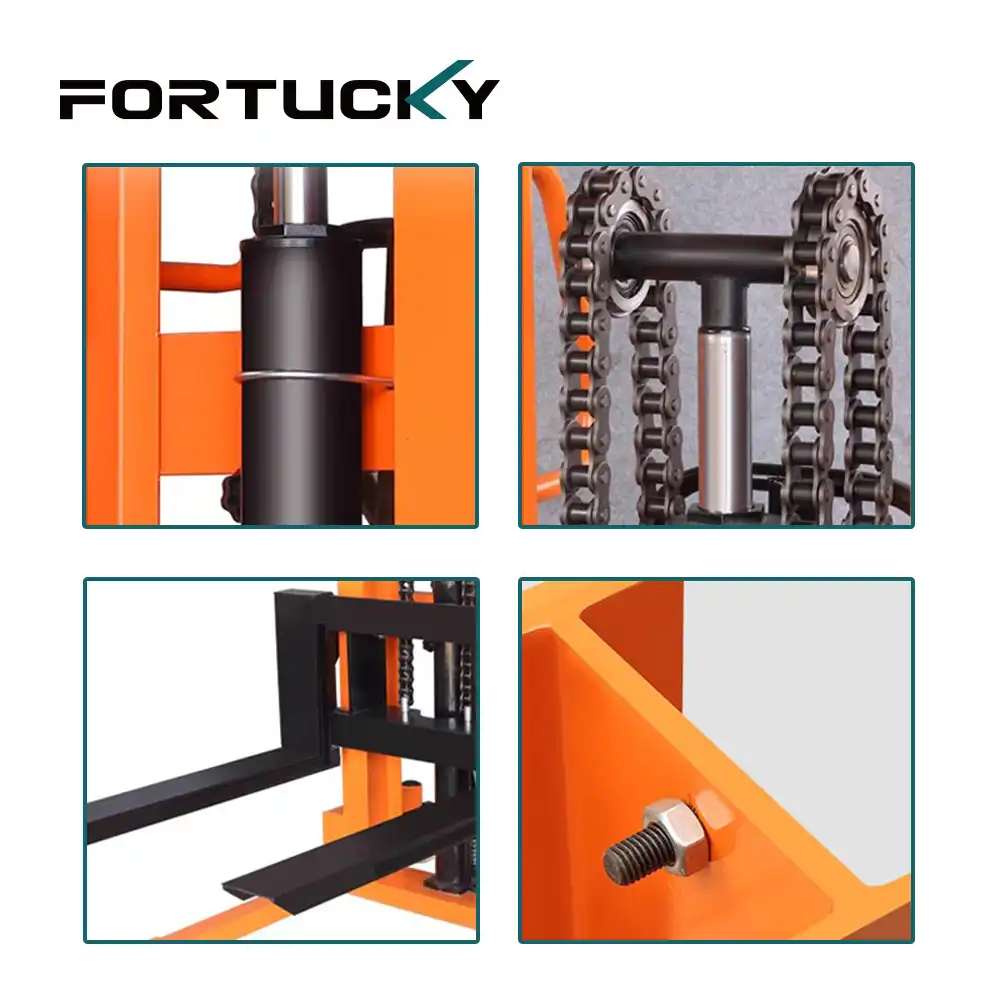
Maintaining warehouse equipment comes with risks that must be carefully monitored in line with safety rules. Do not work on full-stackers or equipment that is under hydraulic pressure. Before doing any repair, you should always fully lower the forks and turn on the safety locks.
Protect yourself by wearing the right gear, like safety glasses, work gloves, and shoes with steel toes. Hydraulic fluid can irritate the skin and hurt the eyes, and a steel building with sharp edges can cut you. Keep first-aid items close by while you're doing maintenance.
Make sure that maintenance places have enough light and air flow. Poor visibility raises the chance of accidents and lowers the quality of maintenance. Make sure there is enough room around the equipment to keep workers from getting hurt from being squished.
Teach everyone who works in repair the right way to lift things and use ergonomic methods. Manual stackers are big pieces of industrial equipment that need to be handled carefully when they are being maintained. Lifting things the wrong way can hurt you badly and break expensive parts.
Seasonal Maintenance Adaptations
For the best pallet stacker performance, different working environments need different maintenance methods. In cold weather, operations need to pay attention to the thickness of the hydraulic fluid, the flexibility of the seals, and the effects of metal thermal expansion. In cold weather, you might want to switch to hydraulic oils that are made for that temperature.
High temperatures speed up the breakdown of fluids and make seals wear out faster. Increase the number of inspections and think about better ways to cool down hydraulic parts. Heat makes hydraulic systems less effective, so keep a closer eye on lifting ability.
Steel building parts need extra security in places that are humid or corrosive. Using the right protection coatings and checking for corrosion more often will help. If the environment is very acidic, you might want to upgrade to stainless steel parts.
Places with a lot of dust need better ways to filter and clean. Contamination speeds up wear and makes the system less reliable. Put protected covers on things and clean them more often to keep up with best practices.
Record Keeping and Documentation Best Practices
Complete repair records for a warehouse medium-duty manual stacker make it possible to look for trends, make sure warranties are followed, and quickly fix problems. Write down the results of all upkeep tasks, such as inspections, part replacements, and measurements of performance. This data helps figure out what maintenance will be needed in the future and how to best plan it.
Keep track of the hours your hand stackers are used, the loads they carry, and the weather conditions that affect them. This information lets you make maintenance choices based on facts and lets you know when equipment needs to be replaced. For bigger fleets, you might want to use computerized maintenance management tools.
Keep paperwork from the manufacturer, parts catalogs, and service manuals on hand for reference while doing maintenance. These sources have important specifications, torque values, and safety information that are needed for good maintenance.
Write down what the operator says about changes in how the equipment works or strange behavior. Most of the time, operators find problems before they show up in official inspections. Set up ways of communicating that encourage people to tell problems before they get worse.
Advanced Maintenance Techniques for Professional Operations
Advanced maintenance methods, such as condition tracking, predictive maintenance, and performance optimization techniques, are helpful for warehouse logistics operations that handle a lot of goods. Use sound analysis to find bearing failures early and thermal imaging to keep an eye on the hydraulic system.
If you want to check the lifting ability or test the safety system, you might want to hire a professional calibration service. These expert services make sure that safety rules are followed and that equipment works at its best. Professional calibration also helps with warranty standards and protects you from risk.
Build relationships with skilled service technicians who know how to fix your equipment. For complicated fixes and major part replacements, you need to get help from a professional. Set up repair contracts for important equipment to make sure that problems can be fixed quickly.
Buy specialized repair tools like torque wrenches, hydraulic pressure gauges, and equipment for measuring things very precisely. Good tools make servicing more accurate and cut down on the time it takes to fix things. Think about tool calibration apps that make sure measurements are accurate.
Conclusion
Maintenance that is done right can turn your medium-duty manual stacker from simple warehouse equipment into a productive tool that you can count on. Maintenance plans, regular checks, and taking care of parts before they break down help make sure that the machine works at its best and that there are few interruptions to operations. Always keep in mind that avoiding problems costs a lot less than fixing them and getting new tools.
Longer equipment life, less downtime, and better safety performance are all benefits of investing in comprehensive maintenance plans. You can get the most out of your equipment investment by keeping records of your repair work, making sure operators are properly trained, and building relationships with qualified service providers.
Upgrade Your Warehouse Operations with Fortucky's Industrial Stackers
Fortucky stands as a premier medium-duty manual stacker manufacturer delivering innovative warehouse equipment solutions to global enterprises. Our comprehensive product portfolio combines cutting-edge engineering with proven reliability, serving over 1,000 customers worldwide, including Fortune 500 corporations across manufacturing, logistics, and industrial sectors.
Contact our technical specialists at sales@fortuckyrobot.com to explore customized material handling solutions tailored to your operational requirements.
References
1. International Organization for Standardization. "Industrial Trucks - Safety Requirements and Verification - Manual Stackers and Platform Trucks." ISO 3691-3:2016 Industrial Safety Standards Manual.
2. Smith, Robert J. "Hydraulic System Maintenance in Material Handling Equipment." Industrial Engineering Quarterly, Vol. 42, No. 3, 2023, pp. 156-172.
3. American National Standards Institute. "Powered Industrial Trucks - Maintenance and Inspection Guidelines." ANSI/ITSDF B56.1-2020 Safety Standards Publication.
4. Thompson, Maria K., and David L. Chen. "Preventive Maintenance Strategies for Warehouse Equipment Optimization." Journal of Logistics and Supply Chain Management, Vol. 18, No. 4, 2023, pp. 89-104.
5. European Committee for Standardization. "Material Handling Equipment - Manual Stackers - Performance Requirements and Test Methods." EN 1757-1:2019 Technical Specification Manual.
6. Williams, Patrick R. "Cost-Benefit Analysis of Preventive Maintenance Programs in Industrial Material Handling." Maintenance Engineering International, Vol. 35, No. 2, 2023, pp. 44-58.
Learn about our latest products and discounts through SMS or email