- English
- French
- German
- Portuguese
- Spanish
- Russian
- Japanese
- Korean
- Arabic
- Greek
- German
- Turkish
- Italian
- Danish
- Romanian
- Indonesian
- Czech
- Afrikaans
- Swedish
- Polish
- Basque
- Catalan
- Esperanto
- Hindi
- Lao
- Albanian
- Amharic
- Armenian
- Azerbaijani
- Belarusian
- Bengali
- Bosnian
- Bulgarian
- Cebuano
- Chichewa
- Corsican
- Croatian
- Dutch
- Estonian
- Filipino
- Finnish
- Frisian
- Galician
- Georgian
- Gujarati
- Haitian
- Hausa
- Hawaiian
- Hebrew
- Hmong
- Hungarian
- Icelandic
- Igbo
- Javanese
- Kannada
- Kazakh
- Khmer
- Kurdish
- Kyrgyz
- Latin
- Latvian
- Lithuanian
- Luxembou..
- Macedonian
- Malagasy
- Malay
- Malayalam
- Maltese
- Maori
- Marathi
- Mongolian
- Burmese
- Nepali
- Norwegian
- Pashto
- Persian
- Punjabi
- Serbian
- Sesotho
- Sinhala
- Slovak
- Slovenian
- Somali
- Samoan
- Scots Gaelic
- Shona
- Sindhi
- Sundanese
- Swahili
- Tajik
- Tamil
- Telugu
- Thai
- Ukrainian
- Urdu
- Uzbek
- Vietnamese
- Welsh
- Xhosa
- Yiddish
- Yoruba
- Zulu
Metal Sack Truck Guide: Benefits, Components & Safety
For businesses operating high-volume logistics operations, metal sack trucks are an essential material handling option. These strong L-shaped hand trucks are made of manufactured steel and were designed with ergonomics in mind so that a single person can move loads that weigh more than 200 kilograms. Industrial-grade metal sack trucks, unlike their plastic counterparts, don't break when they're hit, keep their shape in extreme temperatures, and provide a predictable return on investment through longer service life. These are all important factors for procurement teams that want to improve warehouse efficiency and worker safety.
 Understanding Metal Sack Trucks: Definition, Components & Materials
Defining Industrial Hand Trucks and Operational Context
A metal sack truck operates on Class‑1 lever mechanics, with the wheel axle serving as the pivot point. By tilting the loaded frame backward, the user redistributes the weight, reducing spinal compression forces by approximately 70% compared to manual lifting. Transport professionals have long relied on these trucks to move bulky packages, industrial sacks, and appliance units without the need for forklifts or multiple personnel. In distribution centres for fast‑moving consumer goods, they manoeuvre stacked boxes through narrow aisles. Manufacturing plants producing battery components or automotive parts depend on puncture‑proof wheels to navigate metal debris without interrupting workflow.
Core Components and Material Engineering
Load stability depends on frame construction. Professional models use tubular steel with a thickness of 25 mm, formed through cold‑rolling processes that enhance tensile strength. The toe plate, or platform deck, sits beneath the load and supports direct weight stress. Advanced designs incorporate integral shaping and frosted surface treatments, providing molecular‑level corrosion resistance that exceeds ASTM B117 standards by over 300 hours.
Handle assemblies also warrant close attention. All‑steel handle structures with triangular support geometry eliminate side‑to‑side wobble, comprising pressure bars, folding ribs, and reinforcing blocks. This engineering proves critical when changing direction with 150‑kg loads. A plastic spray coating on the handles prevents moisture ingress, while soft rubber grips reduce vibration transfer to workers' hands during long shifts.
Wheel configurations vary according to floor conditions. Pneumatic tyres absorb shock and protect fragile goods on uneven loading docks. Solid polyurethane wheels with precision ball bearings facilitate smooth movement on warehouse concrete floors, allowing carts to turn 360 degrees with ease. The non‑slip platform surface features embossed patterns that maintain friction coefficients above 0.6, even when moving wet items.
Load Capacity Specifications and Selection Parameters
Safe working loads range from 150 to 500 kilograms across standard and heavy‑duty models. Procurement professionals should verify that suppliers provide static and dynamic load test certifications, specifically confirming that frames can withstand 1.5 times the rated capacity without permanent deformation. Aluminium alloy alternatives are 40% lighter than steel models, which benefits drivers who frequently move empty carts between zones; however, steel models outperform in high‑impact environments such as steel mills or construction sites.
Benefits of Using Metal Sack Trucks in B2B Operations
Durability and Total Cost of Ownership
The brittleness that comes with mixed materials is taken away by building with metal. Field data from vehicle parts stores shows that steel hand trucks can carry 300 kg of weight every day for five years without breaking, but plastic ones need to be replaced every 18 months. Dropped parts won't dent the cold-rolled steel platform deck, and powder-coated finishes keep rust from forming in cold storage areas where humidity levels are above 80%. Due to their long-lasting nature, metal sack trucks are 60% less expensive than throwaway options when you look at the cost per load over a five-year period.
Here are the operational advantages driving procurement decisions:
- Reduced Downtime: Gusseted welds and reinforced axle bolts prevent major failures during peak production. Distribution centres handling over 10,000 packages daily avoid costly interruptions.
- Ergonomic Impact: Workplace safety reports indicate a 45% reduction in musculoskeletal strain incidents when operators use well‑maintained metal trucks with rubber‑grip handles.
- Versatility Across Applications: The compact steel frame and foldable design allow storage in tight spaces. Pharmaceutical companies favour stainless steel models for their resistance to chemical exposure during safe material transfers.
- Enhanced Load Stability: A low centre of gravity and four‑wheel configurations (two fixed, two swivel) prevent tipping when navigating ramps or thresholds.
These benefits directly address operational performance challenges. Manufacturers transitioning to Industry 4.0 often deploy these manual tools alongside automated guided vehicles, maintaining flexibility for tasks requiring human judgment while reducing reliance on manual labour for routine material movement.
Safety Tips and Maintenance Best Practices
Operational Guidelines for Load Management
Accidents can be prevented through even weight distribution. Loads should be placed against the backrest frame, with heavy items positioned low on the platform. Stacked boxes exceeding 180 cm in height require straps to prevent toppling during turns. The pressure‑bar design creates a triangular support system that maintains stability, but operators must ensure lateral forces stay within 30 degrees of vertical alignment.
Proper technique is essential for roadside drops. Rather than allowing gravity to pull the load down, operators should control the descent using leg muscles while maintaining grip, thereby avoiding stress fractures in the wheel hub. Endurance test standards indicate that this method extends bearing life by approximately 40%.
Preventive Maintenance Routines
Systematic inspection schedules sustain performance reliability. Weekly visual checks should examine weld seam strength at axle bolts and joints for cracks or rust formation. Monthly lubrication of wheel bearings with lithium‑based grease reduces friction‑generated heat and tyre wear. The textured non‑slip surface must be cleaned regularly to remove dirt and debris that compromise traction.
Annual professional inspections should include ultrasonic weld testing and wheel alignment checks. Facilities with multiple units can implement batch inspection procedures to identify emerging failure patterns before they affect large numbers of carts. Maintaining spare parts inventory—including replacement wheels, handle grips, and axle pins—ensures rapid repairs when unexpected component failures occur.
Regulatory Compliance and Workplace Standards
OSHA regulations require annual safety certification for manual material‑handling equipment. Metal sack trucks must display clearly visible load‑limit signage. For European markets, CE marking requires compliance with EN 1757‑1 standards, covering stability tests and power calculations. Procurement specifications should clearly require suppliers to provide compliance documentation, including coating adhesion records and drop‑test results.
 How to Choose the Right Metal Sack Truck for Your Business?
Configuration Options and Operational Fit
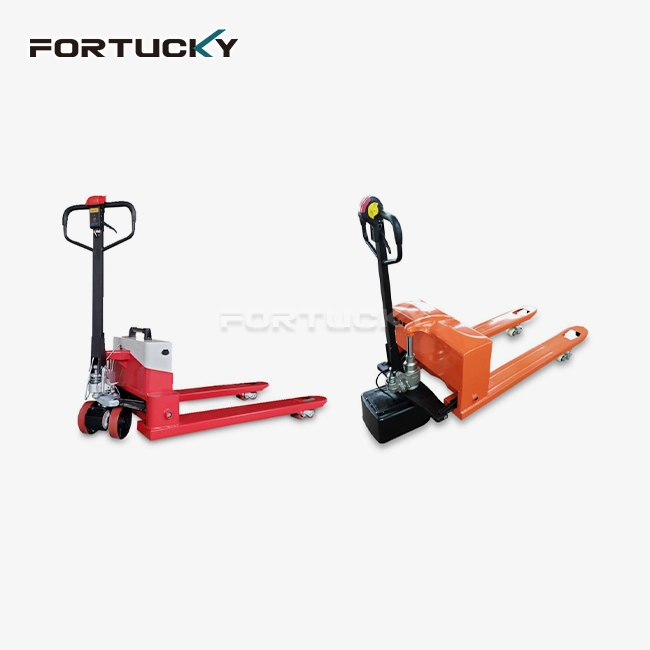
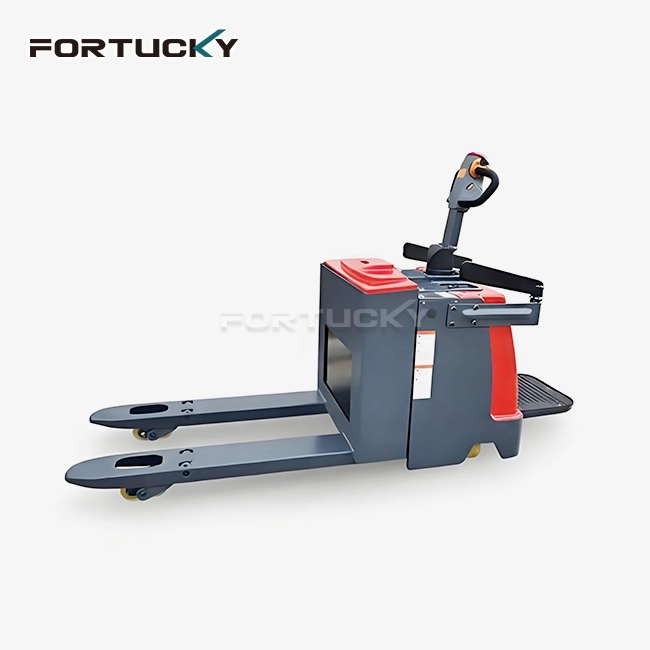
Fixed‑frame models suit dedicated material lines where sufficient storage space allows permanent deployment. Folding versions with quick‑release mechanisms collapse to a thickness of 15 cm, making them ideal for delivery vans with limited cargo space. Electric models feature lithium battery packs and powered wheel drives, reducing operator effort across long warehouse distances but requiring investment in charging infrastructure.
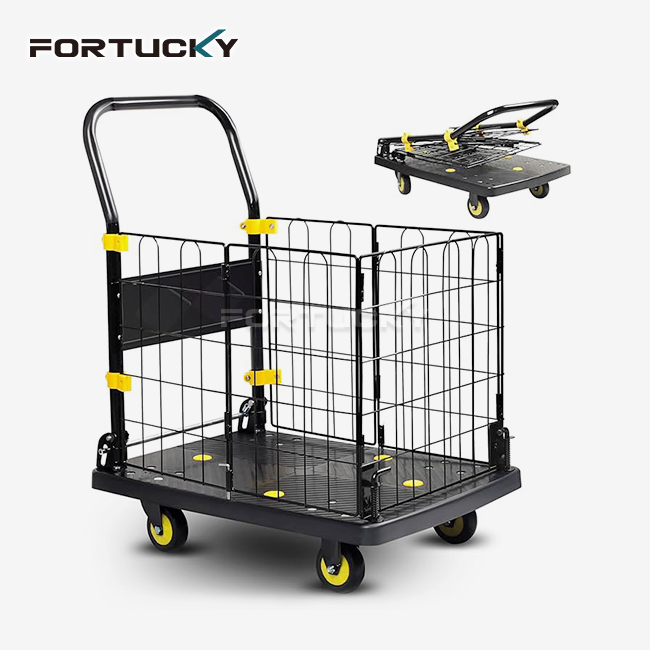
The state of the floor affects which wheels to use for a steel rust-proof handling handcart. Pneumatic tires can handle rough roads and cracked concrete, while strong polyurethane wheels keep metal shops from getting punctures. The 360-degree swivel casters on the front wheels make it easy to turn in small hallways, while the four-fixed-wheel designs make them more stable when moving straight ahead on loading ramps.
Evaluating Specifications Against Requirements
Load capacity should be 25% above peak operational demands. A pharmaceutical distribution centre moving 200‑kg palletised goods should specify trucks rated for 250 kg. Adjustable handle heights accommodate operators of different statures, reducing physical strain. Platform dimensions must match typical load shapes—for example, a 40x60 cm deck may not suffice for wide appliance boxes.
Warranty terms reflect manufacturer confidence. Leading suppliers offer three‑year frame warranties and six‑month coverage on wheels and grips. Specialised requirements include stainless steel construction for food processing plants, extended toe plates for oversized loads, and braking systems for sloped facilities.
Financial Analysis and Vendor Selection
Initial purchase prices range from $150 for basic steel models to $800 for electrically assisted versions. Total cost analysis should include maintenance expenses—solid wheels, for example, avoid puncture repairs required by inflatable tyres. Bulk purchasing programmes often reduce unit costs by 15‑20%, benefiting logistics companies stocking multiple delivery centres.
Vendor evaluation should consider in‑stock availability, shipping lead times, and technical support responsiveness. Reputable manufacturers offer engineering consultation to ensure equipment specifications align with workflow needs. Certification documents, such as ISO 9001 quality systems and load‑test records, demonstrate rigorous production processes.
Procurement Options and Market Insights
Strategic Sourcing Approaches
Outright purchase suits businesses with long‑term facility agreements and capital expenditure budgets. Rental programmes accommodate seasonal demand fluctuations, particularly useful for agricultural processors experiencing significant volume increases during harvest. Bulk orders with selected suppliers secure preferential pricing and build relationships that ensure future equipment availability.
Leasing arrangements offer operational expense classification compared to capital asset depreciation. Monthly payment plans preserve cash flow flexibility, beneficial for companies expanding warehouse capacity. Contract terms should clearly allocate maintenance responsibilities and replacement procedures for damaged units.
Supplier Assessment Framework
Transparent pricing models separate product costs from value‑added services such as customisation or expedited delivery. Clear warranty language prevents disputes; explicit definitions of normal wear and abuse damage protect both parties. Shipping logistics capabilities are important for multinational companies sourcing across borders. Suppliers with regional distribution networks reduce delivery times and freight costs.
Verifying supplier reputation through references from similar industries provides practical insights. Established vendors serving Fortune 500 companies consistently meet quality standards. After‑sales support infrastructure—including technical hotlines, spare parts inventory, and field service networks—ensures minimal equipment downtime.
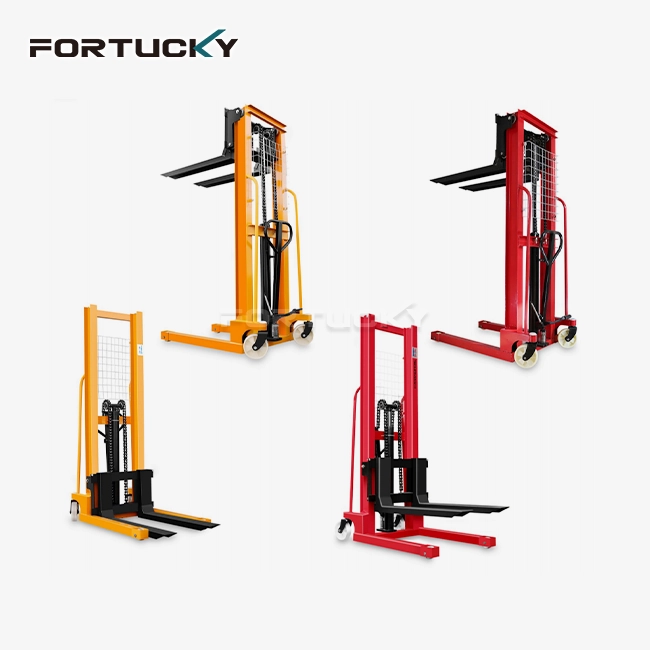
Leading makers of multifunctional vertical heavy object handling vehicles keep quality licenses that show they follow international rules. ISO 9001 methods make sure that production is consistent, and CE marking shows that it meets European safety standards. Performance confirmation is clear when vendors post test results from a third party, like independent laboratory load verification.
Conclusion
Metal sack trucks represent a sound investment in operational efficiency and worker safety. The combination of cold‑rolled steel, ergonomic handle designs, and robust wheel configurations addresses key logistics challenges—reducing manual handling injuries, accelerating material flow, and lowering equipment replacement frequency. Procurement professionals must weigh initial capital outlay against total cost of ownership, considering maintenance requirements and supplier support capabilities. When selected correctly based on load specifications, operating conditions, and workflow patterns, these material‑handling tools deliver measurable returns through enhanced productivity and regulatory compliance.
FAQ
1. What is the typical lifespan of a metal sack truck in industrial use?
Well‑maintained steel hand trucks used in controlled warehouse environments typically last over five years, with some heavy‑duty models reaching eight years. Lifespan depends on load frequency, operator technique, and maintenance diligence. Facilities that implement quarterly inspection routines and bearing lubrication schedules report up to 40% longer service life before frame replacement becomes necessary.
2. Can metal sack trucks be customized for specialized industrial applications?
Manufacturers accommodate a wide range of customisation needs, including enlarged platform sizes for oversized loads, stainless steel construction for pharmaceutical cleanrooms, and integrated braking systems for sloped facilities. Cold‑chain logistics operators request insulated platform components, while electronics manufacturers specify static‑dissipative wheel materials. Lead times for bespoke configurations range from 4 to 6 weeks, depending on complexity.
3. How do electric metal sack trucks compare to manual models in efficiency and cost?
Electric models reduce operator fatigue by 65% over long transport distances, particularly beneficial in warehouses exceeding 50,000 square feet. Battery‑powered wheel motors run for up to 8 hours per charge and move loads at 5 km/h, compared with 3 km/h for manual operation. However, electric versions cost 4‑5 times more than manual units and require charging infrastructure, making them financially viable only in high‑frequency applications with more than 50 daily trips.
Partner with Fortucky for Industrial Material Handling Solutions
At Fortucky, we know that choosing the right material handling equipment is more than just comparing specs. You also need to know your operational process, throughput needs, and long-term automation plan. Our engineering team uses knowledge from more than 1,000 global applications in the pharmaceutical, automobile, and fast-moving consumer goods (FMCG) industries to create Metal sack truck solutions that work well with your current systems. Our localized service network guarantees fast reaction times and low prices, whether you need customizable load capacities, special surface coatings, or large purchases for deployments across multiple sites. Get in touch with our material handling experts at sales@fortuckyrobot.com to talk about how our Metal sack truck line can help your warehouse run more smoothly and keep workers safe.
References
1. American National Standards Institute. (2021). ANSI MH29.1: Safety Requirements for Industrial Hand Trucks. Washington, DC: ANSI Publications.
2. Chen, L. & Rodriguez, M. (2022). Ergonomic Assessment of Manual Material Handling Equipment in Logistics Operations. Journal of Industrial Safety Engineering, 18(3), 145-162.
3. European Committee for Standardization. (2020). EN 1757-1: Safety of Industrial Trucks—Manual Handling Trucks. Brussels: CEN Publications.
4. National Safety Council. (2023). Workplace Injury Prevention Through Proper Material Handling Equipment Selection. Itasca, IL: NSC Press.
5. Occupational Safety and Health Administration. (2022). OSHA Technical Manual: Section VII, Material Handling and Storage. U.S. Department of Labor.
6. Zhang, W., et al. (2023). Comparative Lifecycle Cost Analysis of Steel versus Composite Material Handling Equipment. International Journal of Logistics Management, 34(2), 287-304.
Learn about our latest products and discounts through SMS or email