- English
- French
- German
- Portuguese
- Spanish
- Russian
- Japanese
- Korean
- Arabic
- Greek
- German
- Turkish
- Italian
- Danish
- Romanian
- Indonesian
- Czech
- Afrikaans
- Swedish
- Polish
- Basque
- Catalan
- Esperanto
- Hindi
- Lao
- Albanian
- Amharic
- Armenian
- Azerbaijani
- Belarusian
- Bengali
- Bosnian
- Bulgarian
- Cebuano
- Chichewa
- Corsican
- Croatian
- Dutch
- Estonian
- Filipino
- Finnish
- Frisian
- Galician
- Georgian
- Gujarati
- Haitian
- Hausa
- Hawaiian
- Hebrew
- Hmong
- Hungarian
- Icelandic
- Igbo
- Javanese
- Kannada
- Kazakh
- Khmer
- Kurdish
- Kyrgyz
- Latin
- Latvian
- Lithuanian
- Luxembou..
- Macedonian
- Malagasy
- Malay
- Malayalam
- Maltese
- Maori
- Marathi
- Mongolian
- Burmese
- Nepali
- Norwegian
- Pashto
- Persian
- Punjabi
- Serbian
- Sesotho
- Sinhala
- Slovak
- Slovenian
- Somali
- Samoan
- Scots Gaelic
- Shona
- Sindhi
- Sundanese
- Swahili
- Tajik
- Tamil
- Telugu
- Thai
- Ukrainian
- Urdu
- Uzbek
- Vietnamese
- Welsh
- Xhosa
- Yiddish
- Yoruba
- Zulu
The differences between EPAL CP wooden pallets and standard EPAL EURO pallets
The talk quickly turns technical when your shipping manager asks about the specs of the pallets that will be sent to Europe soon. You've heard of EPAL standards, but it can be hard to tell the difference between different types of EPAL CP Wooden PALLET and the common EURO pallet. Which of these approved systems you choose will have a direct effect on how well your supply chain works, how well you follow the rules, and the total cost of ownership. Knowing the differences between them helps buying teams make choices that meet the needs of the industry and the goals of the business.
 Understanding EPAL CP Wooden Pallets and Standard EPAL EURO Pallets
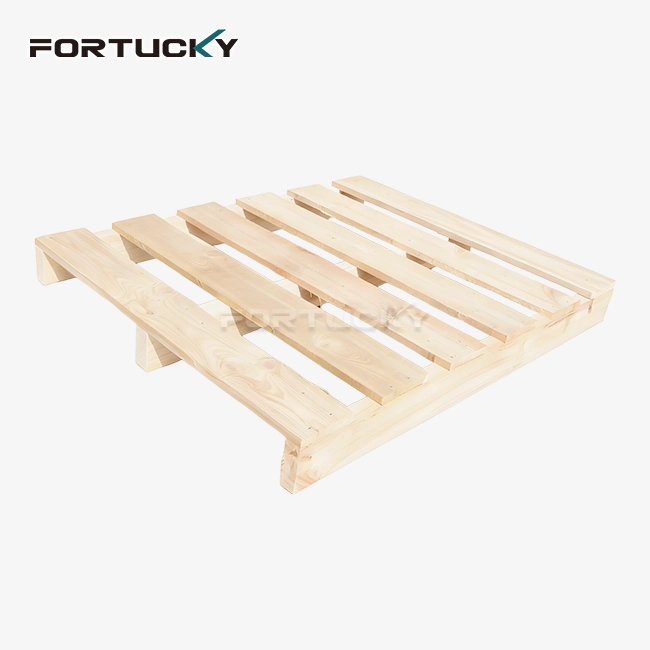
"CP" stands for "Chemical Pallets," and EPAL CP wooden pallets were originally built for European chemical and plastics companies. Industries that handle hazardous chemicals, sensitive substances, or items that need to be tracked benefit from these nine standardized versions (CP1–CP9) and tight licensing criteria. They are used for more than chemicals now. They are employed in medications, food additives, and specialty manufacturing, where regulators demand quality control.
Shipping in Europe and beyond relies on standard EPAL EURO pallets. The 1200x800mm dimension is increasingly associated with warehouse efficiency, international commerce, and many means of transportation. These pallets meet EPAL's high-quality criteria. They fit easily into exchange pools, automated handling systems, and typical racks in consumer goods, vehicles, and electronics production.
Key Specifications of EPAL CP Series
The CP line has a range of dimensions that are specifically designed for the way certain industries work. Each version meets EPAL manufacturing guidelines and offers different options for common footprints:
- CP1: 1000x1200x138mm — very close to EURO sizes, but length and width are oriented backwards
- CP2: 800mm x 1200mm x 138mm — standard EURO size; CP-certified for chemical industry needs
- CP3: 1140 x 1140 x 138 mm — square shape works with certain container sizes
- CP4: 1150 x 1350 x 138 mm — larger size for chemical packaging that is too big
- CP5: 760 x 1140 x 138 mm — small size for use with limited space
- CP6: 1220 x 1000 x 156 mm — higher for better load stability
- CP7: 1300x1100x156mm — larger size with stronger construction
- CP8: 1140 x 1140 x 156 mm — square shape with a wider deck
- CP9: 1140 x 1140 x 156 mm — special square version
All CP models have a 4‑way entry, which allows forklifts and pallet jacks to get in from any side, making handling more flexible in warehouses. Each pallet has an approval mark that shows it meets EPAL standards and can be used in the official EPAL swap and repair network.
Standard EURO Pallet Characteristics
The normal EPAL EURO pallet always has the same measurements (1200x800x144mm), weighs about 25kg, and has a safe working load of 1,500kg when it is being moved around. These pallets can hold up to 4,000kg of steady weight when they are stacked correctly. EURO pallets are made from hardwoods like oak or beech and softwoods like pine. They are heated to meet the ISPM 15 phytosanitary standards needed for foreign shipping.
They are widely used because they work with European truck beds, ISO containers, and automatic transport systems. Standardization makes it possible for companies to swap pallets instead of handling returns. This cuts down on the cost of transporting empty pallets and makes shipping operations easier.
Technical and Structural Differences Between EPAL CP and Standard EURO Pallets
Both types of pallets meet EPAL quality standards, but their technical specs are different in ways that are useful for different uses. Being aware of these differences helps match the properties of a pallet to the needs of the process.
Dimensional Variations and Load Capacity
The standard EURO pallet's 1200x800mm size maximizes transportation infrastructure space throughout Europe. Standard racking systems suit its 144mm height and remain sturdy. The CP series has smaller, squarer, and taller sizes to fulfill chemical storage and handling demands.
Height differences matter. Normal profiles are 138mm or 144mm tall; however, CP6, CP7, CP8, and CP9 are 156mm. This increases ground clearance and structural depth. Working with huge chemical tanks or industrial equipment with significant point loads requires a stiffer frame; thus, this additional height helps.
Square shapes like CP3, CP8, and CP9 at 1140 × 1140 mm distribute the load uniformly in all directions, making them ideal for cylindrical cases or changing load positions. For bulk chemical processing, rectangular shapes like CP4 (1100x1300mm) work well. Moisture-proof treatment CP series wooden pallets incorporate kiln-drying and anti-fungal coatings that preserve dimensional stability in humid chemical storage environments, preventing swelling that could compromise racking fit or load security over extended service periods.
Wood Selection and Construction Methods
The kind of pallet used depends on its application; however, both are produced from quality‑controlled wood species. Standard EURO pallets are built of a combination of hardwoods and softwoods, depending on local availability. Pallets must meet the moisture content criteria of 18‑22% to avoid breakage and maintain size.
For chemical companies, where impact resistance and restricted loading are more critical than cost, CP series pallets are generally manufactured of hardwood. The nail count and placement meet EPAL regulations. However, CP versions that withstand heavy or aggressive chemical loading may include reinforcements at high‑stress areas.
All EPAL‑certified timber pallets are heat‑treated (HT) to destroy bugs and pathogens to fulfill ISPM 15 requirements. This procedure requires heating the wood to 56°C for 30 minutes. Stamped certification marks on the wood verify this.
Durability and Maintenance Expectations
EURO pallets typically endure 8‑10 transport cycles before needing repair. Their diverse usage supports a huge European and global repair network. EPAL‑approved repair companies may restore damaged pallets.
CP pallets may live longer in regulated industrial environments since they are intended for certain tasks and made to endure. Repair options may be restricted due to their infrequent usage. CP variant users normally have safety‑compliant inspection and maintenance programs.
Environmental factors impact all kinds equally. EPAL pallets pass environmental criteria because wood decomposes and can be recycled. After use, pallets may be recycled into engineered wood products, mulch, or biomass fuel. This closes the material loop and reduces environmental impact.
Practical Comparison: EPAL CP Wooden Pallets vs Standard EPAL EURO Pallets
Figuring out how these pallets work in real‑life shipping situations is a good way to turn technical details into business value.
Load Stability and Handling Performance
Common EURO pallets function well in facilities that keep many different commodities and employ common techniques to transfer them. They operate with automated guided vehicles, robotic picking systems, and conveyor networks since they are all the same size. The 1200x800mm dimension enables loading European trucks and ISO containers more simply, reducing air freight and shipping costs.
When relocating certain items, CP pallets help. Square forms support cylindrical items in all directions, making them suitable for rolling. Taller forms make racking harder to bend when loaded. EURO pallets are simple to access with their 4‑way entry design, like other CP models. This maximizes handling efficiency and provides dimension‑specific advantages.
Both kinds of forklifts and pallet jacks operate well together, although operators prefer the taller CP6‑CP9 models' greater entrance room for tight spaces or problematic fork placement.
Cost-Efficiency Analysis
Since standard EURO pallets are readily accessible and mass‑produced, their initial costs are lower. Due to high production by licensed producers, prices are low. Unit prices vary by wood type, treatment, and market conditions.
CP pallets are more expensive since they are certified, created in smaller numbers, and better constructed. When CP certification is needed by law or pallet performance affects product safety and compliance, pricing differences do not matter. You must consider more than the purchase price to calculate the total cost of ownership.
Due to their wide service shop network and interchangeable parts, standard EURO pallets are easy to maintain. Pooling plans cut per‑use expenses even further by eliminating returns. In regulated industrial environments, CP pallets may be less likely to be damaged, making up for their greater purchase cost.
These performance features solve Fortucky's clients' problems: boosting warehouse throughput, reducing human labor, and ensuring automated handling systems operate properly. Choosing the correct pallet may boost corporate productivity over the course of a year of material transportation.
 Choosing the Right EPAL Pallet for Your Business Needs
To match pallet standards to working needs, you have to look at a lot of things that are all linked. The decision framework should take into account the type of load, the handling equipment's capabilities, the rules and regulations, and the location of the supply chain.
Load Demands and Storage Constraints
First, write down the real weights, sizes, and trends of load distribution. For example, automotive parts might need standard EURO pallets to work with existing logistics networks. On the other hand, drug companies that work with controlled chemicals might need CP approval to pass regulatory checks. Dimensional choices that improve cell stacking and transport density are useful for battery production centers, which are becoming a bigger part of Fortucky's customer base.
The reliability of storage systems is just as important. The sizes of the pallets must match the gaps between the rack beams, the width of the aisles, and the requirements of the automatic storage and retrieval system. It is very expensive to change warehouse infrastructure to fit pallets of different sizes, so uniformity is a good idea unless the work clearly supports dimensional differences.
Industry-Specific Requirements
Standard EURO pallets are preferred by global supply lines in the car industry because they can be used with any product and have well‑established pooling systems. Precision and regularity are important for automated handling to be reliable in the electronics production industry. Cold chain transportation operations, which handle medicines and food processing, put a high priority on heat‑treated pallets that meet the needs of foreign shipping and keep their structural integrity in extreme temperatures.
Regulatory rules often make it clear that chemical and pharmaceutical companies need CP-certified crates. EPAL CP Wooden PALLET units show that the supply chain is careful during checks and audits, which lowers the risk of not following the rules. Manufacturers of food additives gain from CP certification because it improves quality control and traceability, even when it's not strictly needed by law.
Selecting Certified Suppliers
Pallet quality changes a lot depending on how well the maker controls their work. EPAL certification ensures that pallets meet building standards, but it is still important to check the qualifications of the seller. Licensed EPAL makers show their registration numbers and go through regular quality checks. This makes them accountable and saves buyers from getting bad goods.
Teams in charge of buying things should ask for proof that EPAL is licensed, get heat treatment certificates, and follow quality control procedures. Site visits to factories show how they make things and how they handle quality control. Long‑term ties with suppliers allow for talks about customization and special treatment when supplies are low.
Where and How to Procure Certified EPAL CP and EPAL EURO Pallets
Strategies for buying EPAL pallets take into account the need to balance cost, supply, and quality control. Knowing your purchasing options can help you make better buying decisions.
Procurement Channels and Lead Times
Standard EURO pallets are easy to find because they are made by direct manufacturers, pooling companies, and wholesalers. Spot sales meet urgent needs, while volume contracts lock in good prices and ensure a steady supply. Lead times depend on the amount and specs and can be anywhere from days to weeks.
Getting CP pallets takes more preparation because they are made in a special way and there are fewer of them in stock. The most stable supply chain comes from working directly with licensed makers. For big orders, wait times can go up to weeks or months. Keeping safety stock buffers and planning buying cycles around production plans prevents problems.
More and more, online platforms connect buyers with recognized sellers. However, it takes work to check credentials and inspect quality from a distance. When you buy in bulk from transportation partners you know and trust, it is easy and often includes delivery to multiple locations, which is helpful for businesses that run spread warehouse networks.
Pricing Dynamics and Volume Discounts
Standard EURO pallet unit prices vary by wood type, treatment, and market circumstances. These prices vary by location but are generally inexpensive. Volume discounts make sense when you purchase more than a few hundred pieces in a box, and they increase more steeply when you buy over 1,000.
CP pallets cost more since they need specific permission and are harder to build. Volume discounts require a larger purchase to obtain the same discount. Negotiating annual supply arrangements locks in pricing and guarantees production capacity amid strong demand.
Transportation costs greatly impact supply prices, particularly for low‑density commodities like empty pallets. Combining shipments and using current transportation patterns reduces freight costs and environmental harm.
Certification Verification and Quality Assurance
Fake pallets are a constant risk in the supply chain because they cause quality issues and safety issues. Real EPAL pallets have certain marks, like the EPAL logo, the manufacturer's license number, the production date, and an ISPM 15 treatment stamp. By checking these marks against EPAL's database of licensees, we can be sure they are real.
Manufacturing flaws are found during physical review upon arrival, before pallets are used. Make sure the nails are in the right place, the wood is strong enough, no illegal repair methods are used, and the markings can be seen clearly. Setting up rules for getting inspections and writing down what was found makes people responsible and helps with warranty claims when they happen.
Conclusion
By being able to tell the difference between EPAL CP Wooden PALLETs and normal EPAL EURO pallets, procurement workers can make choices that are based on facts and meet business needs. Standard EURO pallets are cost-effective, work with all kinds of products, and are widely accepted in the supply chain, making them perfect for basic transportation tasks. CP variants offer unique certificates, different sizes, and better specs that are useful for chemical processing, making medicines, and other tasks that need to be sure of quality standard.
Instead of just looking at the original purchase price, the selection process should take into account the type of load, how well it works with other systems, any legal requirements, and the total cost of ownership. Building ties with certified providers and putting in place quality control measures protects against fake goods and ensures that products always work as expected. In businesses that depend on logistics, the choice of pallet you use has a direct effect on storage productivity, product safety, legal compliance, and, in the end, your ability to stay ahead of the competition.
FAQ
1. What are the main differences between CP and EURO pallets?
The EPAL CP wooden pallets are a special series that was first made for use in the chemical business. They come in nine different sizes (CP1–CP9), ranging from 760x1140mm to 1300x1100mm. Standard EURO pallets always have the same measurements of 1200x800x144mm. CP pallets come with industry‑specific approvals and different sizes, while EURO pallets can be used with all European transport infrastructure. Both are made to EPAL quality standards and have been heat‑treated so they can be shipped internationally.
2. Can CP pallets be used for international export?
Of course. For foreign shipping, all EPAL‑certified pallets, even the CP versions, go through a heat process that meets ISPM 15 phytosanitary standards. The HT mark stamped on each pallet proves that the treatment was followed, which lets goods cross borders without having to wait for fumigation. CP approval adds more tracking, which is useful in regulated industries, but it does not limit where it can be used.
3. How do I verify an authentic EPAL certification?
Real EPAL pallets have the EPAL mark, the manufacturer's license number (XXXX-XX), the production date or period code, and an ISPM 15 treatment stamp that usually looks like "HT" with a country code. Check the license number against EPAL's public database of licensees. A visual check should confirm that the right building methods were used, that the nail designs matched the requirements, and that the clarity of the marks showed that the item was recently made and not a known fake.
Partner with Fortucky for Certified EPAL Pallet Solutions
If you don't choose the right EPAL pallet provider, your material handling infrastructure will either help or hurt business performance. Fortucky has a lot of skills when it comes to buying pallets and integrating transportation systems. They have a lot of experience in the field and have developed their technical skills through more than 1,000 successful customer deployments around the world.
Our team knows how to meet the specific needs of buying workers in the pharmaceutical, electronics, FMCG, and automobile industries. We can help you make the right choice, whether your business needs normal EURO pallets for automated warehouse systems or tailored CP variants that meet the requirements of the chemical industry. Our competitive prices come from the fact that we have long-term relationships with our suppliers and can buy in bulk. Before the pallets even get to your building, quality assurance processes check that they are real and meet construction standards.
Fortucky's localized service network in Asia, Europe, and the Americas makes sure that you can get help quickly, no matter where your business is located. We make sure that shipping times don't clash with production schedules, that you customize products to meet specific size needs, and keep extra goods on hand to avoid supply disruptions. Our knowledge goes beyond pallets and includes full warehouse automation systems, such as WMS/WCS software, conveyor networks, robotic handling equipment, and digital twin applications. We can put together combined solutions that help you get the most out of the money you spend on logistics infrastructure.
Email our material handling experts at sales@fortuckyrobot.com to talk about your particular needs. Fortucky provides the quality, compliance, and dependability your operations require, whether you are purchasing EPAL CP Wooden PALLET versions for pharmaceutical production or standardizing EURO pallets throughout your delivery network.
References
1. European Pallet Association (EPAL). "Technical Regulations for the Production of EPAL Euro Pallets." EPAL Quality Standards Documentation, 2022.
2. International Plant Protection Convention. "ISPM 15: Regulation of Wood Packaging Material in International Trade." Food and Agriculture Organization of the United Nations, 2019.
3. Logistics Management Institute. "Comparative Analysis of Standardized Pallet Systems in Global Supply Chains." Industrial Logistics Research Quarterly, Vol. 18, No. 3, 2021.
4. Chemical Industry Association Europe. "Best Practices for Material Handling in Chemical Manufacturing and Storage Facilities." Safety and Compliance Guidelines, 2020.
5. Schmidt, R. and Weber, K. "Economic Impact of Pallet Standardization on Warehouse Automation Efficiency." Journal of Supply Chain Technology, Vol. 12, No. 2, 2023.
6. World Packaging Organization. "Wooden Pallet Lifecycle Assessment: Environmental Impact and Sustainability Metrics." Sustainable Packaging Research Series, 2021.

Learn about our latest products and discounts through SMS or email